
Every December, the same pattern repeats across Dubai’s corporate calendar. Companies wait until October or November to think seriously about their end-of-year party, then spend weeks fighting over dates, venues, and vendors that were already committed to someone else months earlier.
This isn’t a scheduling inconvenience. It’s a direct consequence of how the market behaves. The fourth quarter is the single busiest period for events in Dubai, and every company competing for a gala dinner, an awards night, or a team celebration in December is competing against every other company doing the same thing at the same time.
The venues that make a year-end party memorable, the ones with the right size, the right atmosphere, the right calibre for a company that wants its team to remember the evening, are precisely the venues that fill first. By the time most businesses start calling around in November, the strongest options are already gone, and what’s left is whatever nobody else wanted.
Why the timeline matters more than the budget
A common assumption is that budget determines what’s possible for an end-of-year party. In practice, timing determines it first. A company with a generous budget calling in November is still choosing from a shorter list than a company with a modest budget who started in July, because availability, not spend, is the constraint during peak season.
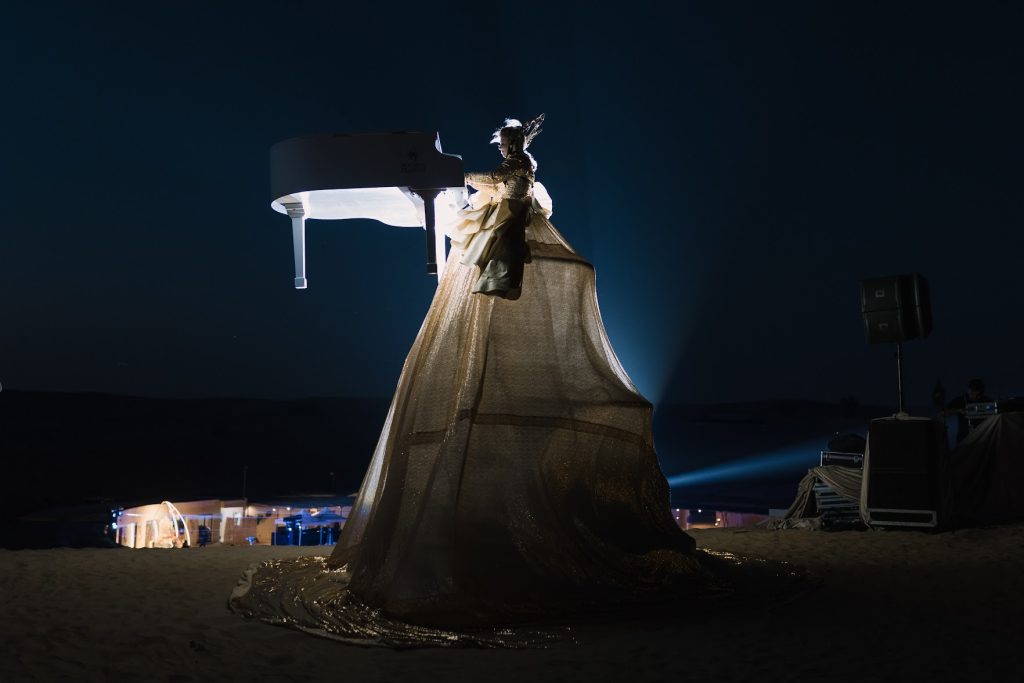
Venues that suit a genuine corporate celebration, rather than an overflow room squeezed in between other bookings, typically need to be secured months ahead once the fourth quarter approaches. This is standard across the industry, not specific to any one type of event: popular venues in high season commonly require six to twelve months’ notice, well beyond what most companies assume when they start planning.
The knock-on effect touches everything else. Entertainment acts worth booking are held by other companies first. Photographers and videographers with genuine corporate experience are committed elsewhere. Catering teams capable of handling a polished, branded evening are already stretched across multiple bookings on the same night. None of this is a supply problem that appears suddenly in December. It’s predictable, and it rewards whoever moves first.
Why the decision chain makes early planning harder to skip
Corporate events rarely move on one person’s decision, and that alone is a reason to start earlier than instinct suggests. An office manager or PA typically gathers the initial options, an HR manager shortlists from what’s presented, and a General Manager or CEO signs off before anything is confirmed. Each stage takes time that has nothing to do with the venue itself, and none of it can be compressed once the fourth quarter is already underway.
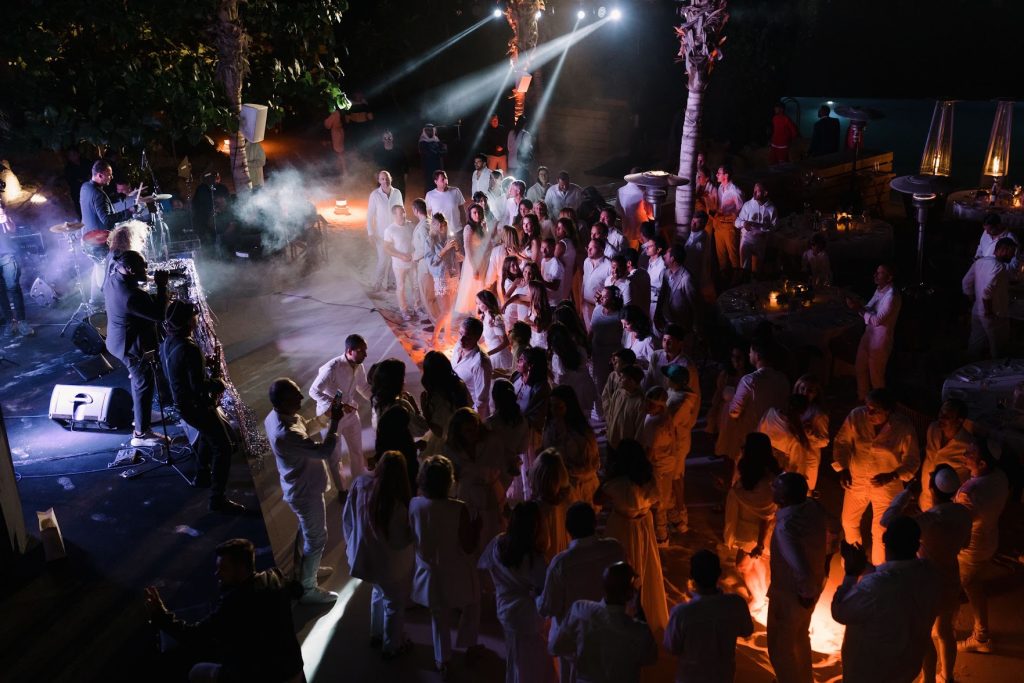
A company that starts in July has room for that chain to move at its natural pace, with time to circle back if the GM wants a different format or the HR manager has concerns about the guest list. A company that starts in November is forcing every one of those approvals into days rather than weeks, which is exactly when good options get rejected simply because there wasn’t time to properly consider them.
What happens when a company settles instead of choosing
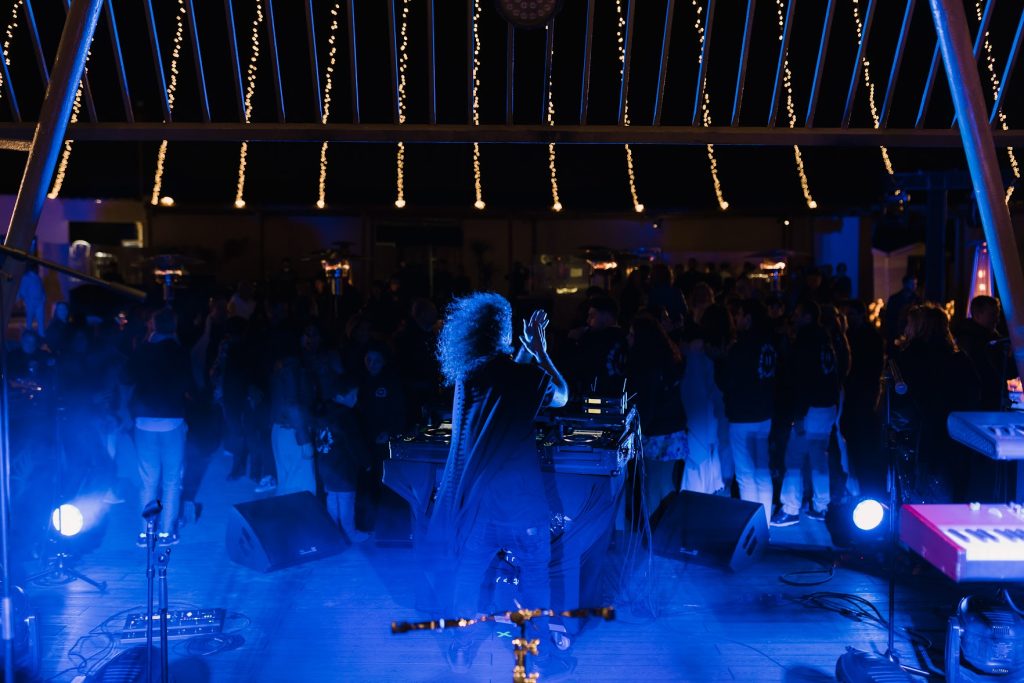
The real cost of starting late isn’t usually an empty calendar with nothing available at all. It’s the compromise that follows: a venue that’s serviceable but doesn’t quite match the company’s standing, a room booked because it was still free rather than because it was right. For a business whose event reflects directly on how staff, clients, and partners perceive the brand, that gap between serviceable and right is not a small one. A team notices, quietly, when the year-end party feels like an afterthought rather than a genuine celebration of the year they just delivered.
What actually needs deciding this early
Starting early doesn’t mean having every detail finalised. It means making the handful of decisions that lock in options, while leaving the rest to develop properly over the following months.
Guest count needs an early estimate, even a rough one, because it determines which venues are realistic candidates at all. A number that’s off by even twenty or thirty people can rule out an otherwise perfect space once the room is actually measured against it.

Format matters just as much. A seated gala dinner, a standing reception, or a hybrid of both each demand a different kind of venue, and deciding which one suits the company’s culture is far easier to reverse in July than in November, once a deposit is already down.
A few points are worth deciding before anything else moves forward:
- Guest count estimate, confirmed as a range rather than an exact figure at this stage
- Format, seated dinner versus standing reception versus a mixed evening
- Rough budget band, enough to filter realistic venues without over-committing early
- Any non-negotiables, whether that’s a specific district, an in-house entertainment requirement, or an internal date constraint tied to the fiscal year
Why the earliest movers get the best outcome, not just the best venue
There’s a version of this advice that stops at venue availability, but the advantage of starting early extends well past securing a room. Vendors negotiate more favourably with clients who aren’t under deadline pressure. Entertainment acts have more flexibility to accommodate a company’s specific requests when they aren’t slotting the booking in around three other events that same week. Even catering menus tend to be more customisable further out, before kitchens lock in standardised packages to manage the volume of December bookings.


There’s also a quieter benefit that companies rarely mention until after the fact: a year-end party planned with proper lead time simply feels less rushed on the night. Guests notice when an event has been thought through rather than assembled under pressure, even if they couldn’t say exactly why, and for a company using the evening to reflect its brand to staff and clients, that difference is the entire point of the exercise.
None of this requires an unusually large team or an unusually generous budget. It requires starting the conversation before the fourth quarter is already underway, while the calendar still has real options left on it.
This is precisely the kind of planning where having a single point of contact matters most, someone who already knows which venues suit which formats, which vendors are worth pursuing, and how to move quickly once the essentials are decided. Our approach to corporate events across Dubai is built around exactly this kind of early, structured planning, applied just as directly to a company’s gala dinner as to any other point on the corporate calendar.
If your company is thinking about its end-of-year celebration, the honest advice is simple: start now, not in November. Get in touch, and we’ll help you lock in the right evening while the calendar still allows it.

