
A client dinner in Dubai either builds trust or wastes an evening. Rarely does it do neither.
Companies bring VIP clients to Dubai expecting the city to do some of the persuading for them. The skyline helps. The service standard helps. None of it replaces a dinner that is actually structured to move a relationship forward, and most companies leave that structure to chance, hoping a good venue and a decent menu will carry the evening on their own.
A VIP client dinner is not a reward for closing a deal. It is usually part of closing one. The client flying in for two days of meetings and one dinner is forming an opinion about the company across all three, and the dinner often carries more weight than either meeting because it is where guards come down and real conversation happens. Treating it as an afterthought, something the office manager books once the agenda is set, is the most common reason these evenings underperform.
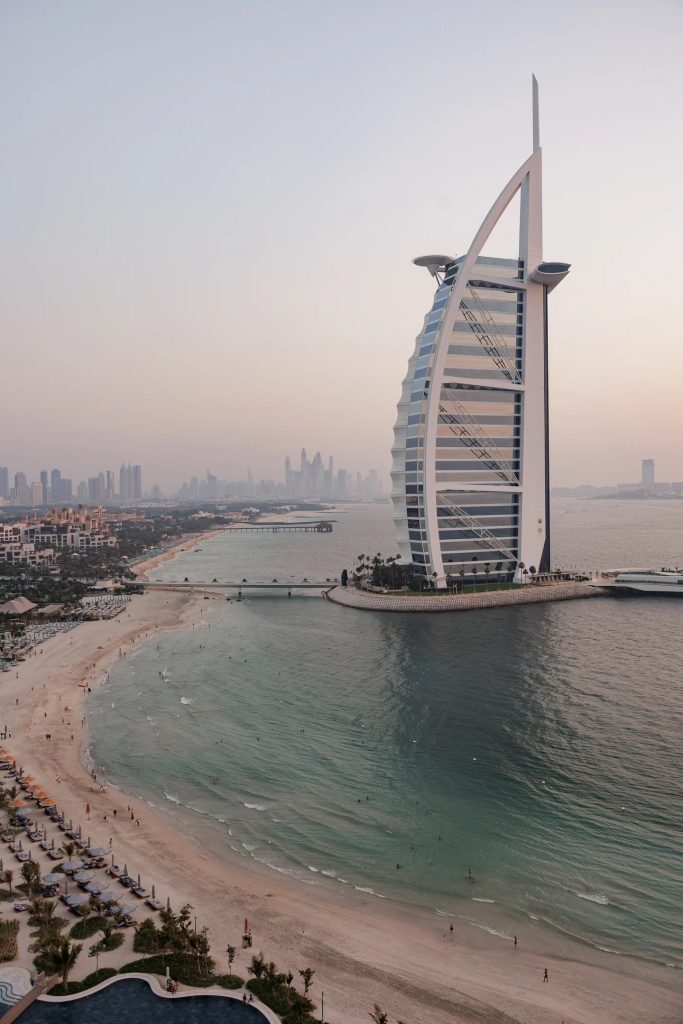
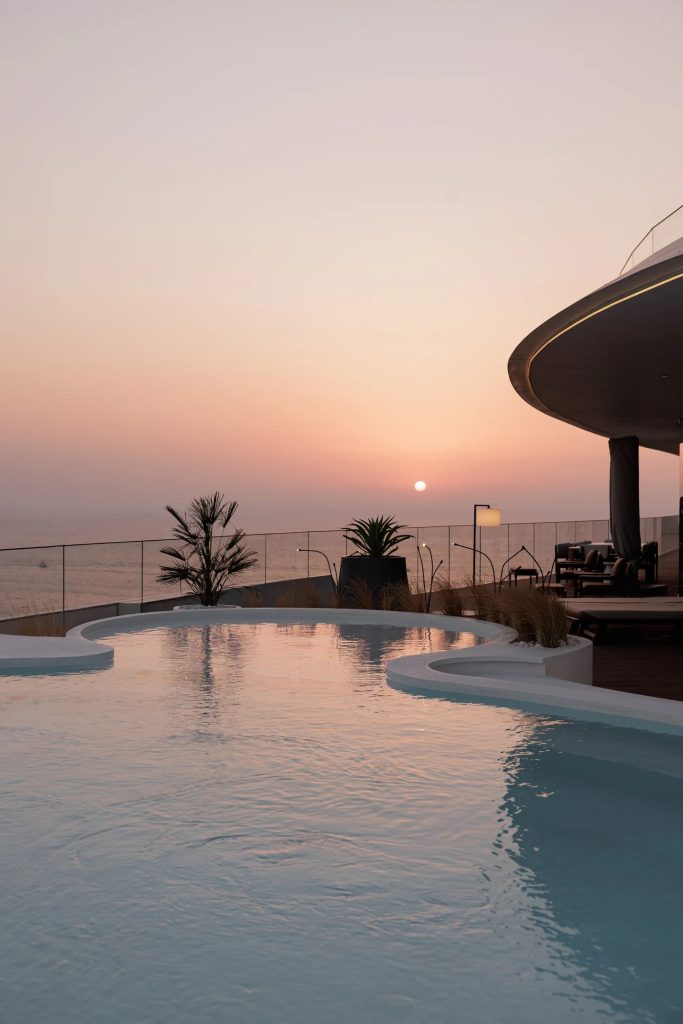
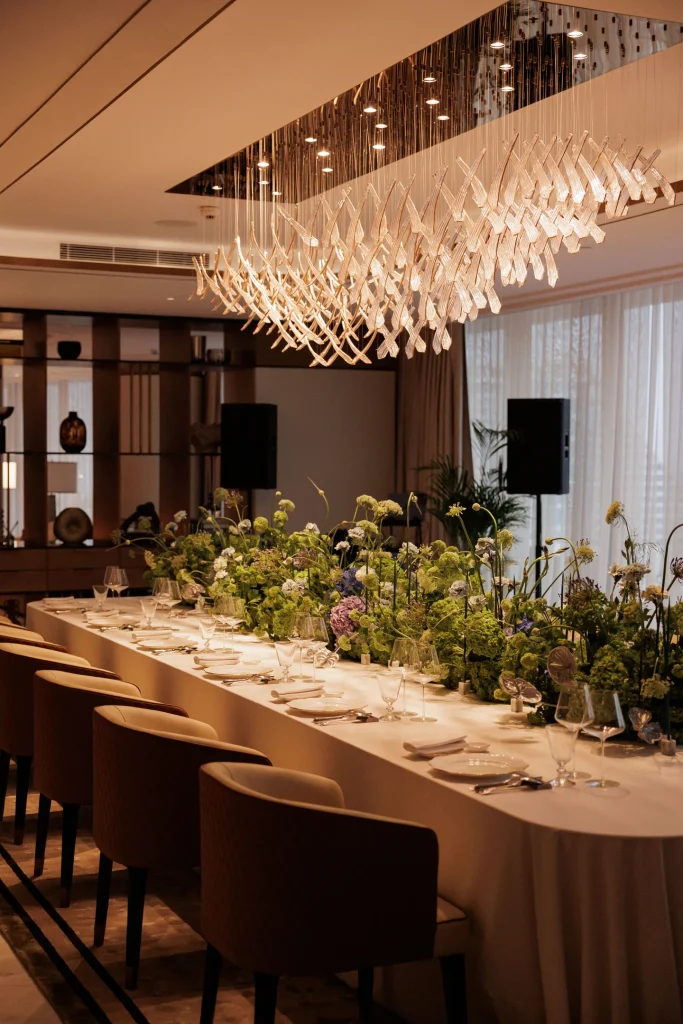
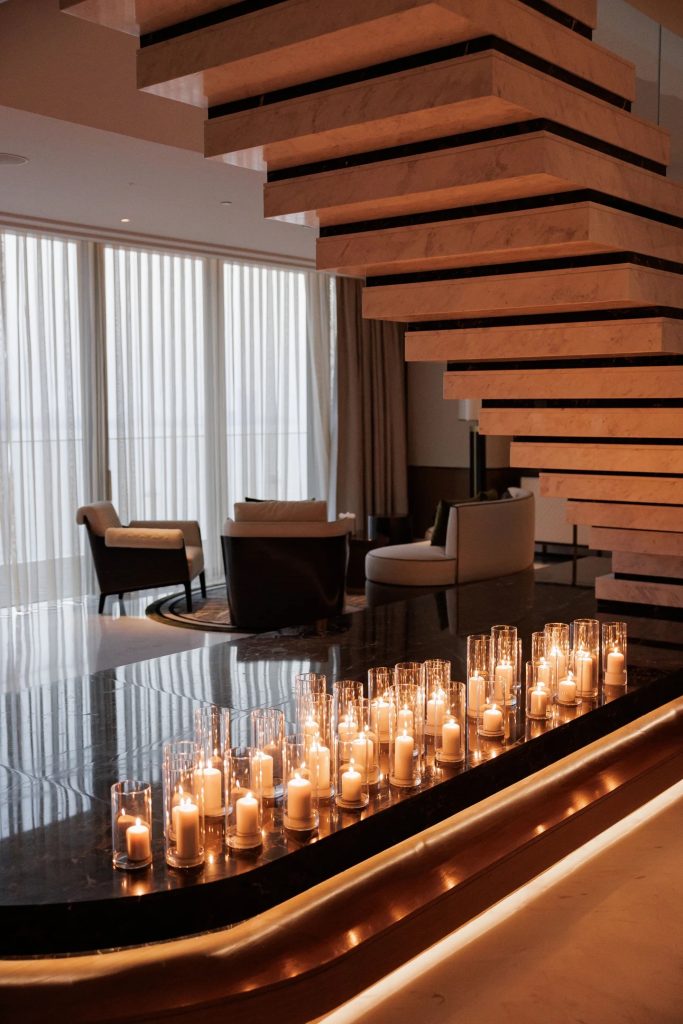
The companies that get this right start with a question most skip: what does this client need to feel by the end of the night. Confidence in the partnership. Reassurance about a stalled negotiation. A sense that they matter more than just another account. The answer shapes everything from the room to the seating plan, and it should be decided before anyone starts calling venues.
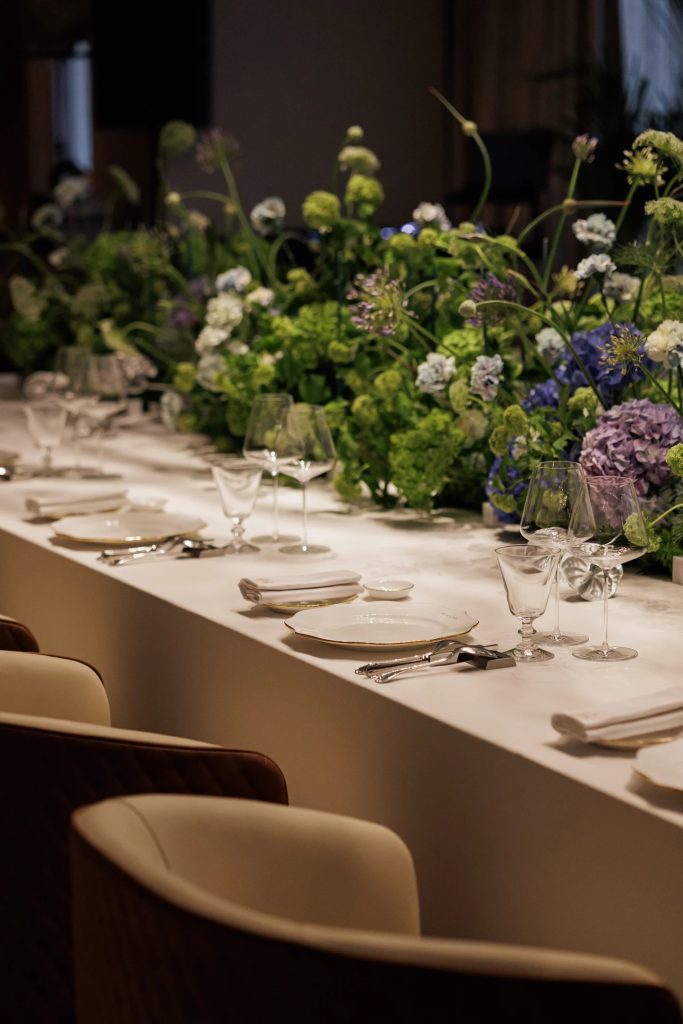
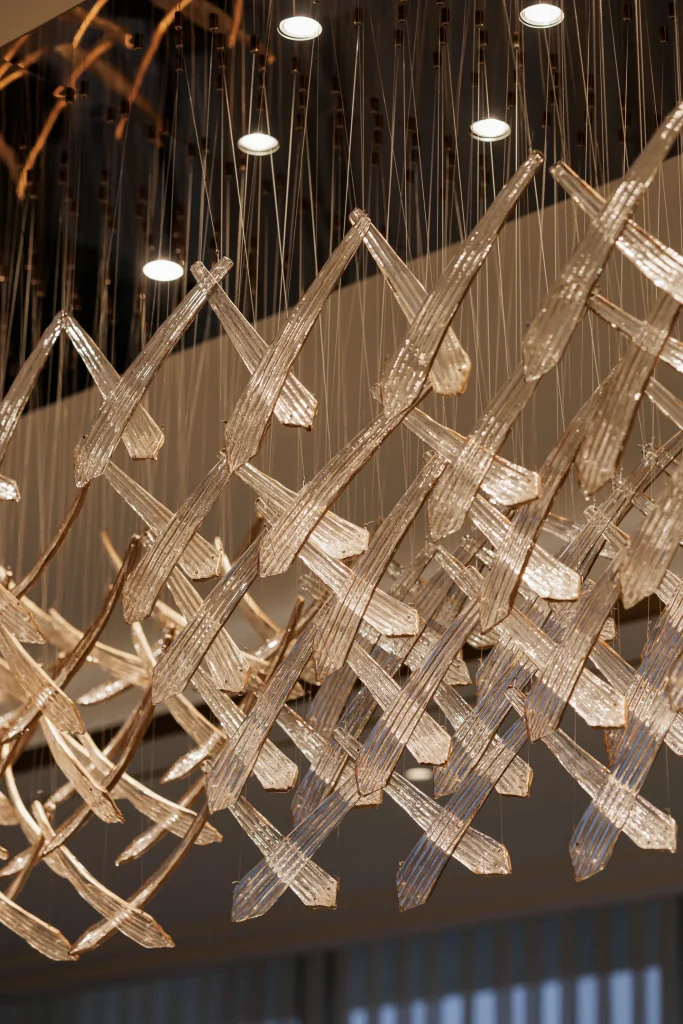
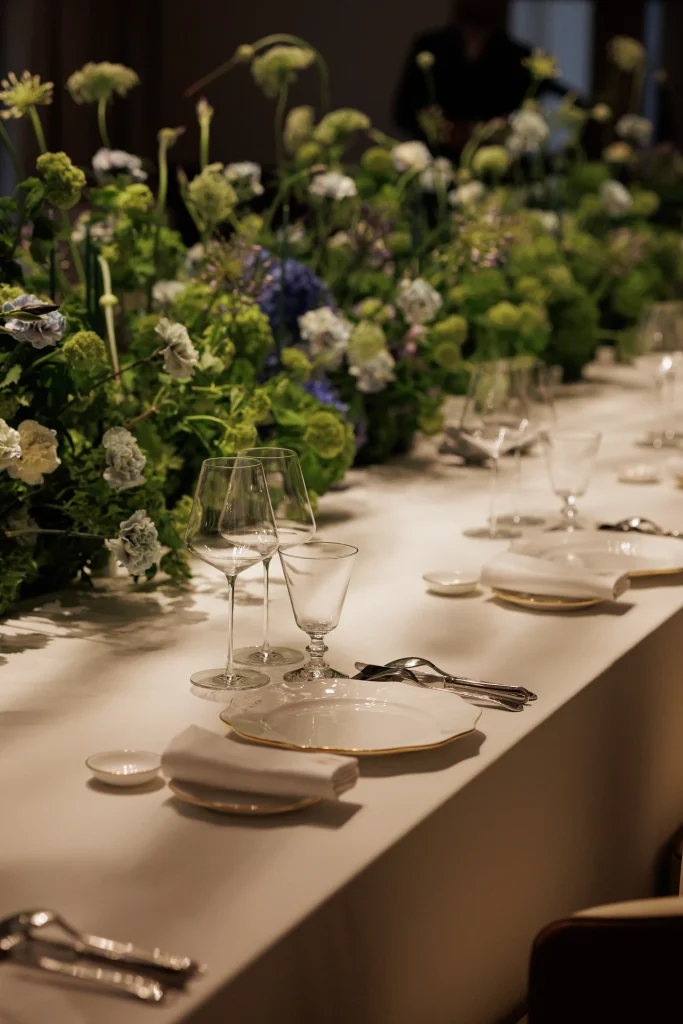
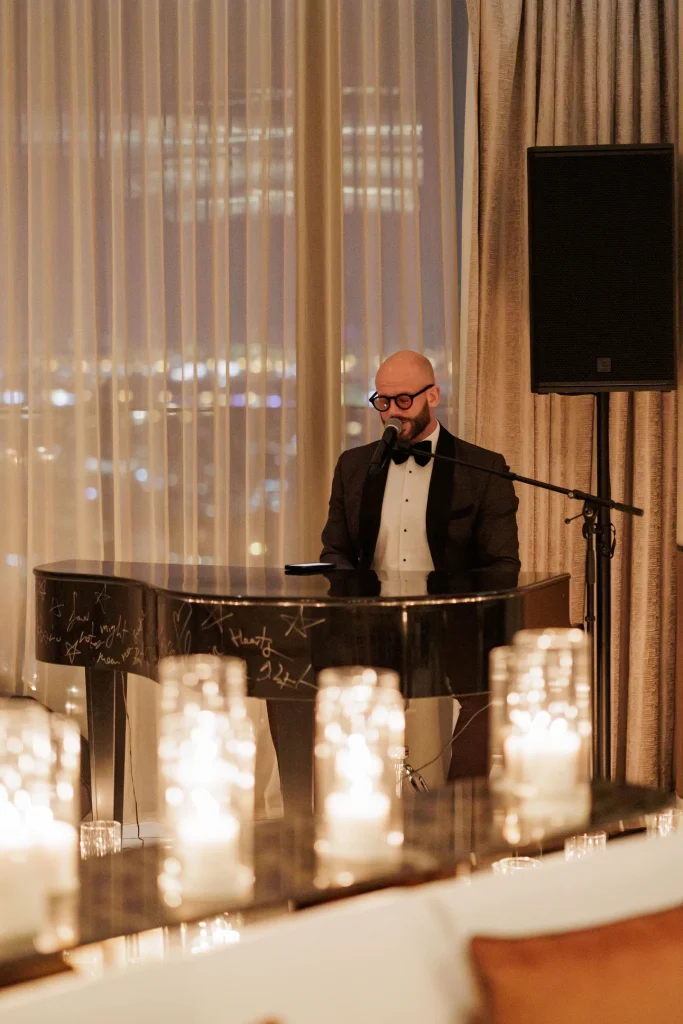
The venue is read within the first ninety seconds, long before a word is exchanged. A loud, brightly lit space signals a transactional evening. A private room with considered lighting and a view signals that the company thought about the client specifically, not just the booking. Business Bay and DIFC both offer this kind of room without trying too hard to impress, which usually reads better than a venue that announces its own luxury.
Discretion matters here as much as design. Many of the conversations that happen at this level, pricing concessions, personnel changes, early signals about a deal, are not meant for other diners at the next table. A private or semi-private setting protects the conversation as much as it sets the mood.
Timing gets less attention than the venue, and it changes the evening just as much. A dinner booked for the first night of a client’s trip lands differently than one squeezed in on the final evening between a late flight and an early departure. A working dinner that runs past two and a half hours starts losing the room regardless of how good the food is. The strongest evenings are paced to end while the energy is still high, not stretched out until the client is checking the time.
The guest list decides the tone of the evening more than any other single factor, and it is where most planning goes wrong. Too many internal attendees crowds out the client. Too few, and there is no one to carry the conversation if the lead executive has an off night. A converting client dinner usually keeps the ratio close to one to one, host to guest, with each host assigned a specific role: relationship continuity, technical credibility, or decision making authority.
International clients bring a second layer of planning that gets missed when the dinner is treated as routine. Dietary requirements need to be confirmed rather than assumed, and confirmed early enough that the kitchen can actually accommodate them. A client arriving from a very different business culture may read pace, formality, and even silence differently than the host expects, and a planner who has hosted enough of these evenings adjusts for it before it becomes a problem in the room.
A toast, if there is one, needs a moment of its own. Slotted in too early, it reads as rehearsed. Left until the end, it competes with people already reaching for their coats. The right point is usually after the main course has been cleared, when the room has settled but nobody has mentally checked out yet.
Getting any of this wrong costs more than an awkward evening. A client who leaves a dinner feeling like an afterthought carries that impression into the next negotiation, whether or not anyone admits it out loud. For a company whose reputation depends on how it is perceived, a poorly run evening is a reputational risk dressed up as a nice dinner.
A dinner that moves a relationship forward is built with intention, not left to unfold. The details that matter most:
- Seating that puts decision makers next to each other, not scattered by seniority
- A pace that allows fifteen to twenty minutes of unhurried conversation before business is mentioned
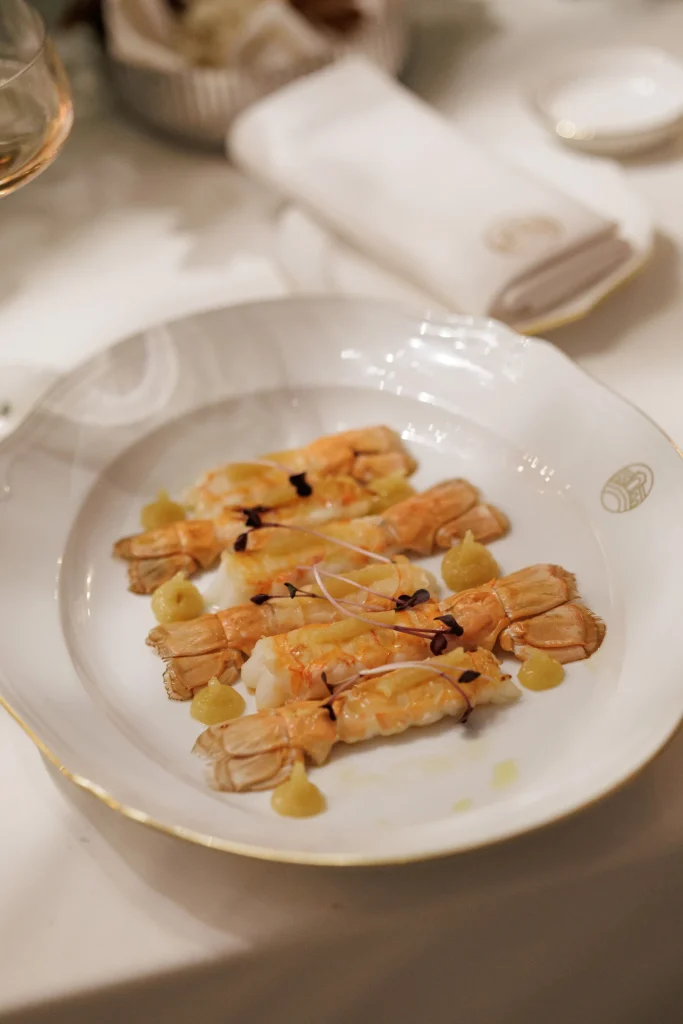
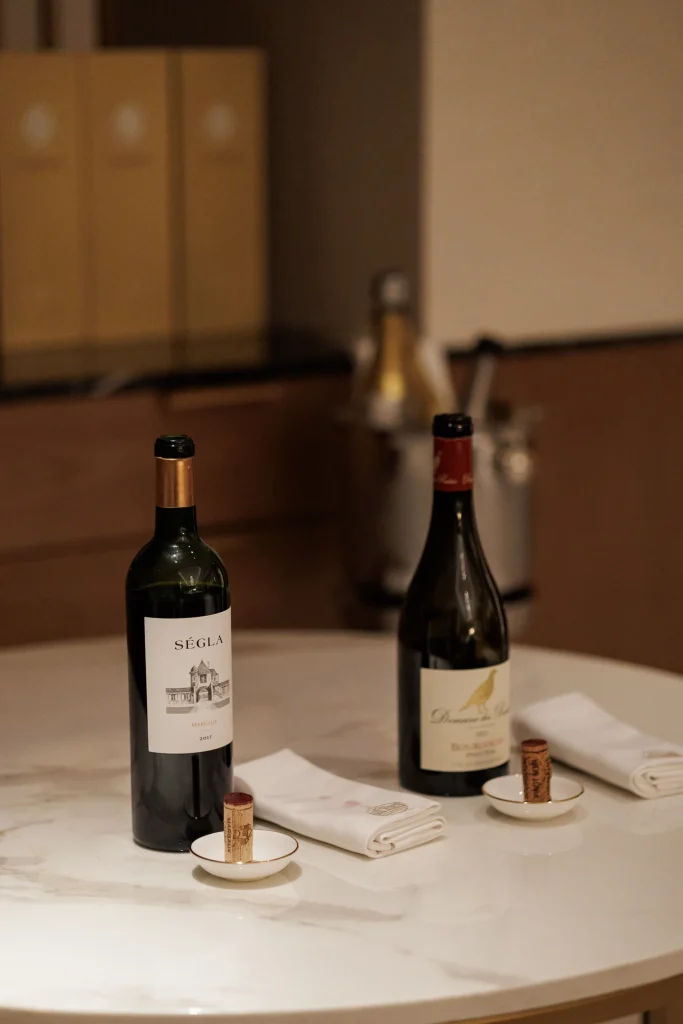
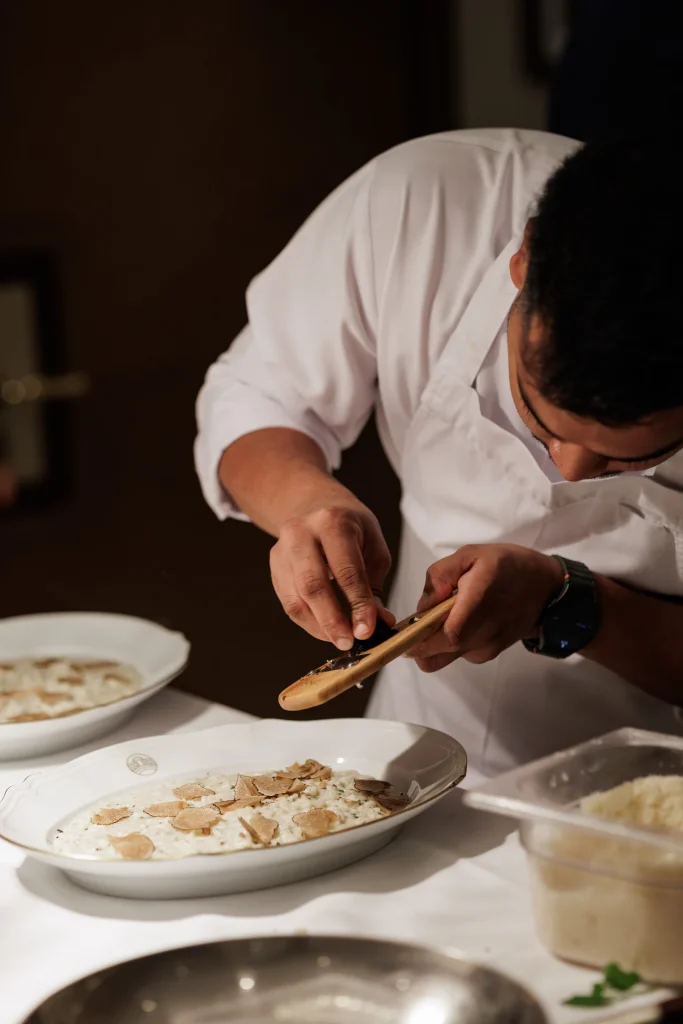
- A menu suited to the guest’s background, checked in advance rather than assumed
- A natural moment, usually between courses, where the real conversation can happen without feeling staged
- A follow up planned before the dinner ends, not improvised the next morning
Get these right and the evening does what it was meant to do. Get them wrong and even a beautiful venue reads as effort without substance.

The dinner does not end when the last course is cleared. A short message the next morning, referencing something specific from the conversation, does more for the relationship than anything said during the meal itself. Companies that plan the follow up alongside the gala dinners or dinner itself tend to see it actually happen.
Dubai’s position as a global business hub only raises the stakes here. Last year, Dubai Business Events secured 504 confirmed event wins scheduled through 2029, a 15 percent increase in bid wins over the previous year, according to Dubai’s Media Office. More companies are bringing more international clients through this city than ever, and the dinner has become one of the few moments where a relationship is actually built face to face rather than over a call.
An office manager booking a table is not the same as a team that has run dozens of these evenings and knows which seating plans work, which venues protect a confidential conversation, and how to pace a night so the business conversation lands without feeling forced. That is our approach at InCircle Events: end to end planning for corporate hospitality designed around the outcome the client needs, not just the reservation.
If you are planning a VIP client dinner in Dubai and the evening has real business riding on it, get in touch. The earlier we’re involved, the more the evening can be built around what you actually need it to do.

