
A conference is not one event. It is a dozen smaller events stacked on top of each other, and if any one of them fails, the whole day feels like it did.
Registration, AV, catering, speaker logistics, permits, signage, and the actual content on stage all have to land at once, in front of an audience that includes clients, partners and sometimes government stakeholders. For corporate clients planning a conference in Dubai specifically, there is a layer most international playbooks do not cover: this city has its own permit process, its own visa rules for international delegates, and its own peak season that quietly determines whether your preferred date is even realistic.
Most of the guidance available online is written for conferences in markets where none of this applies. A checklist built for a conference in London or Singapore will tell you when to book the venue and when to open registration, but it will not tell you that the venue itself may need to issue a document before your event can legally proceed, or that a keynote speaker flying in from overseas needs a specific visa category processed weeks in advance. Those details are what separate a smooth Dubai conference from one that stalls in its final weeks over paperwork nobody budgeted time for.
Start With the Permit, Not the Programme

Every public conference in Dubai requires an event permit from the Department of Economy and Tourism, formerly known as DTCM. This applies regardless of whether the event is ticketed, sponsored, or simply open to external guests beyond your own staff. The application needs to go in at least two to three weeks before any public promotion or registration opens, and considerably earlier for a large or multi-day event.
This detail changes how the entire planning timeline should be built. Companies used to organising conferences elsewhere often start with the agenda and treat compliance as a formality handled later. In Dubai, the permit timeline should shape the schedule from day one, not slot in around it.
International Delegates Need Their Own Timeline
If your conference is drawing speakers or delegates from outside the UAE, visa arrangements deserve attention as early as venue selection does. The UAE issues a dedicated Events Visit Visa for exactly this purpose, covering conferences, summits and similar gatherings, but it still requires lead time to process and needs to be built into your invitation and confirmation process rather than left for delegates to sort out on their own.
Companies that leave this until a month before the event routinely find themselves chasing visa paperwork for a keynote speaker in the final week, at exactly the moment attention should be on rehearsals and run-of-show, not immigration forms.
The Twelve-Month Version, Compressed for Dubai
A full academic or large-scale conference typically needs twelve to fourteen months of lead time internationally. Dubai’s conference market runs on a similar rhythm, with one addition: the local permit and visa steps layered into the early stages rather than treated as a late administrative task.
- Twelve months out: confirm objectives, budget, and venue, and open the DTCM permit conversation early if the event is public facing
- Nine months out: lock speakers, issue invitations with visa guidance for international delegates, and open registration
- Six months out: run the main marketing push and use an early-bird deadline as a genuine cutoff, since it is typically the single biggest driver of registrations
- Three months out: confirm AV, catering and staffing plans, and finalise the permit application if it has not already been submitted
- Two weeks out: lock final headcounts, rehearse the stage content, and brief every member of staff with a printed contact sheet, since phones die and wifi drops on the day itself
Compressing this timeline is possible when a conference needs to move faster, but the permit and visa steps rarely compress well. These are the two items worth protecting even when everything else on the list gets pushed later than planned.
Venue Selection Affects the Permit, Not Just the Room
Choosing a venue in Dubai is not purely a logistics decision. Each venue has its own requirements around the event permit process, and some need to issue their own no-objection certificate before an application can proceed. Changing venues after a permit has already been submitted usually means reapplying from scratch, which can cost weeks a tight timeline does not have.
This is worth deciding early and deciding once. A venue chosen for its ballroom capacity or its central location, without checking how it handles the permit and compliance side, can quietly add weeks to a timeline that looked comfortable on paper. Confirming this detail before signing a contract is a five-minute conversation that prevents a much longer delay later.
Why AV Deserves More Attention Than It Gets
Catering and decor get scrutinised in every planning meeting. AV rarely gets the same attention until something goes wrong on stage in front of the exact audience a company most wants to impress. A dead microphone during a keynote or a screen that will not sync with a presenter’s laptop is remembered far longer than any menu choice.

The fix is straightforward and consistently skipped. Run the full technical rehearsal, with the actual equipment and the actual presenters, at least a day or two before doors open, not the night before when there is no time left to fix what goes wrong. Keep a backup for anything mission critical, from a spare microphone to a second laptop with the same slides loaded.
What a Conference Audience Actually Notices
Attendees rarely comment on how far in advance something was booked. They notice a small number of things, and they notice them immediately:
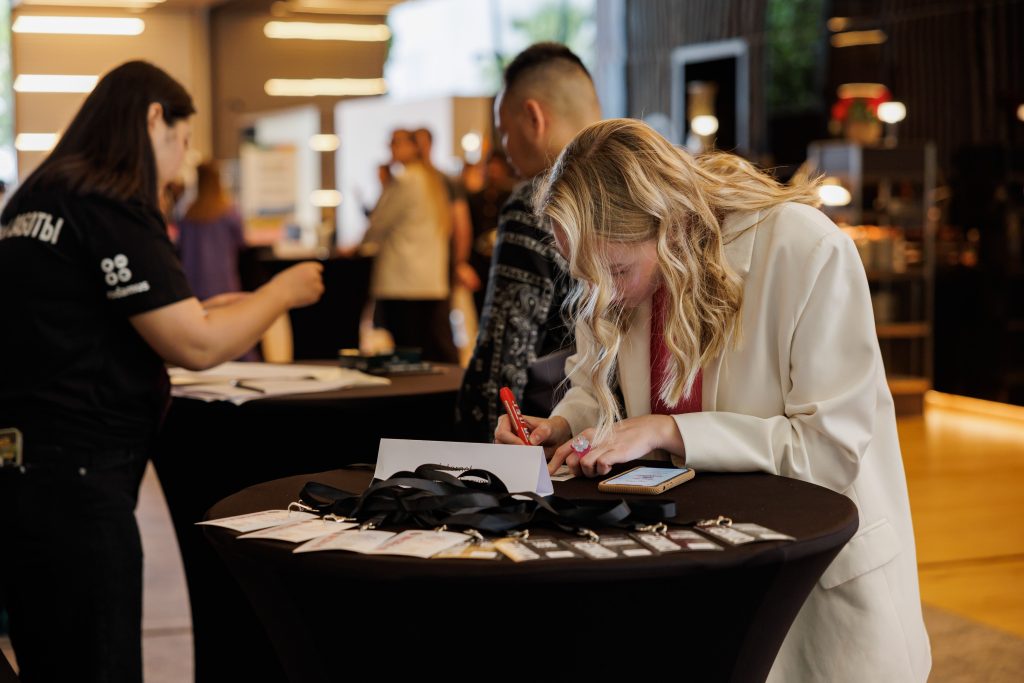
- Whether registration moved quickly or created a queue at the door
- Whether the room temperature and seating were comfortable for the length of the sessions
- Whether sessions started and ended close to schedule
- Whether the catering matched the diversity of the guest list, not a single default menu
- Whether staff on the ground could answer a basic question without redirecting them elsewhere
None of these require a larger budget. They require the planning attention going to the things guests actually experience, rather than the parts of the process that feel most urgent to the organising team.

This is where a permit application filed on time and a visa timeline built into the invitation process quietly pay off. When the compliance side is handled early and correctly, the organising team’s attention in the final weeks goes entirely to the guest experience items above, rather than being split between hospitality and paperwork that should have been finished months earlier.
Why Local Experience Changes the Outcome
A conference planner who has already worked through Dubai’s permit process, already knows which visa timelines catch international speakers by surprise, and already understands how the local peak season affects venue and vendor availability removes an entire category of risk before planning even begins.

This is precisely the layer that a company organising its first Dubai conference, or its first with a genuinely international delegate list, benefits most from having handled by someone who has already run corporate events through this exact process before. The programme and the speakers are what make a conference memorable. The permit, the visas, and the AV rehearsal are what make sure the memorable part actually happens on schedule.
If you are planning a conference in Dubai and want the compliance and logistics side handled properly from day one, get in touch. The earlier the permit and visa timelines are built into the plan, the fewer surprises there are later.

