
Most companies that sponsor an event in Dubai pay for a logo and leave with a photograph of it.
The logo sits on the step-and-repeat, the lanyard, the stage screen and the program. Somebody from marketing posts it on LinkedIn. The invoice gets paid, the event ends, and six weeks later the finance team asks what the company actually got for the money. Nobody has a clear answer, because the sponsorship was treated as a placement rather than one of the company’s own corporate events.
More Events, More Logos, Less Attention
The opportunity is real, and it keeps growing. Dubai hosted 481 business events supported by Dubai Business Events in 2025, up from 429 the year before, according to official figures. Add the conferences, award nights, sporting fixtures and charity galas that sit outside that program, and the city’s season from October to April offers a sponsor something almost every week.
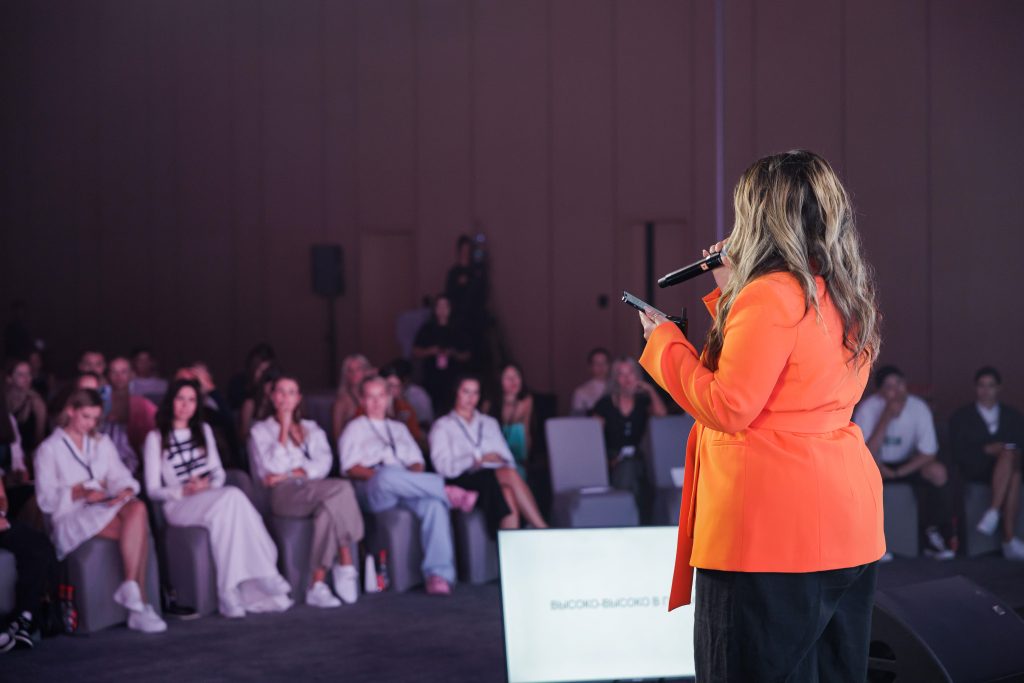
That volume works against the sponsor who only buys visibility. Delegates at large summits and networking events see dozens of logos in a single day. A brand that appears on the wall alongside forty others is not remembered. It is filtered out. The companies that get value from sponsorship in Dubai are the ones that use the event as a stage for something they control themselves.
What a Sponsorship Package Actually Buys
Strip away the logo placements and most sponsorship packages offer three valuable things: access to an audience, a reason to invite people, and the credibility of being associated with the event. Very few sponsors use all three.
Access is the most wasted. A sponsor pays to be in the room with five hundred decision-makers, then sends two junior staff to stand at a table with brochures. The senior people who could start real conversations are busy elsewhere, or arrive for the keynote and leave before lunch.
The invitation is the most underused. A sponsorship gives a company a natural reason to contact clients and prospects: we are partnering on this event, and we would like to host you there. That message opens doors that a cold email never will. Yet many sponsors never send it, because nobody planned what the invited guests would actually experience once they arrived.
The fix is simple and rarely done. Brief the team properly before the doors open: who is attending, which guests matter most, what each conversation should lead to, and who follows up afterward. A sponsor with three well-briefed senior people on the floor will outperform one with ten staff handing out flyers.
Credibility only transfers when the sponsor’s presence matches the quality of the event. A polished summit with a tired, generic sponsor stand does the brand more harm than staying away.
The Event Within the Event
The strongest sponsors build their own experience around the main program. It might be a private breakfast for twenty key clients before day one opens, a hosted lounge where guests can hold real meetings, or a dinner on the evening of the awards night for the people the sales team most wants to keep. These are small events in their own right, and they need the same planning as any other.
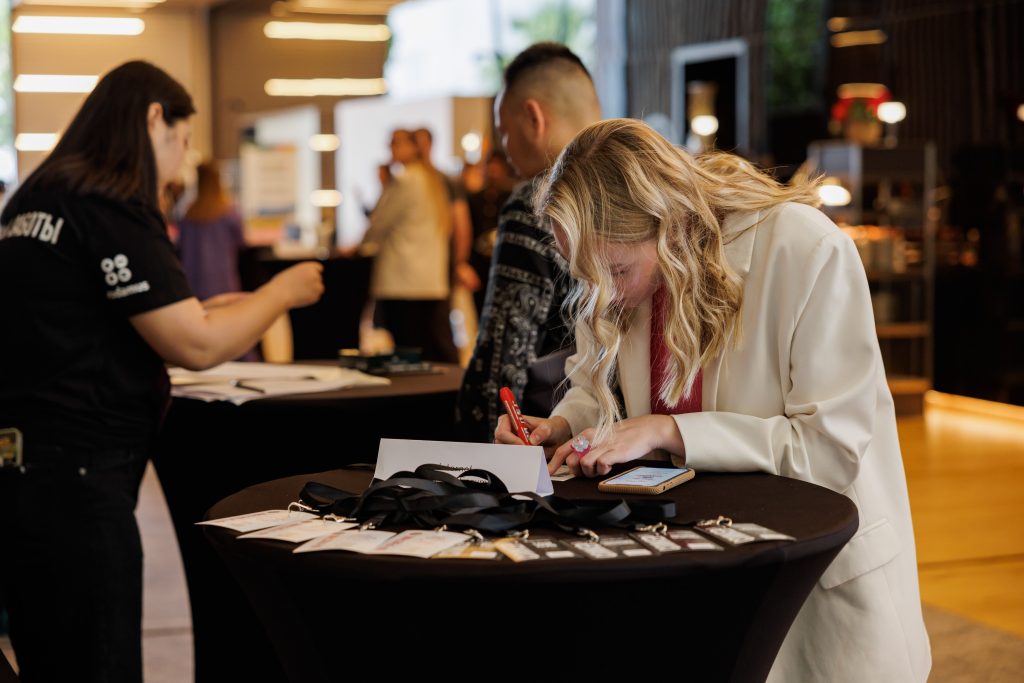
Sporting sponsorships follow the same rule. A company that puts its name on a golf tournament, a tennis week or a racing weekend buys the right to host, and the hospitality is where that right is spent. A private suite or terrace with the right fifteen guests, proper food, a host who knows each of them and transport home at the end of the day will be talked about long after the final score is forgotten.
Before signing a sponsorship contract, a company should be clear on how it will use every part of the package. The questions worth settling early include:
- Which clients and prospects will be personally invited, and by whom
- What those guests will experience that ordinary delegates will not
- Which senior people will attend, for how long, and with what objective
- Whether a side event, such as a breakfast, lounge or private dinner, is permitted under the organizer’s terms
- How the brand will appear on site beyond the standard logo placements
- What the company will measure afterward, from meetings booked to deals opened
Organizers vary widely in what they allow, so these conversations belong in the negotiation, not the week before the event. Some will offer a private room or a hosted session as part of a higher tier. Others will restrict competing hospitality nearby. Knowing this in advance shapes which package is worth buying at all.
Branding That People Remember
When it comes to the physical presence, restraint usually beats volume. A sponsor’s space should feel like a better place to be than the rest of the floor: good seating, proper coffee, quiet enough for a conversation, and a team that knows who is coming. Guests remember being looked after. They do not remember a brochure.
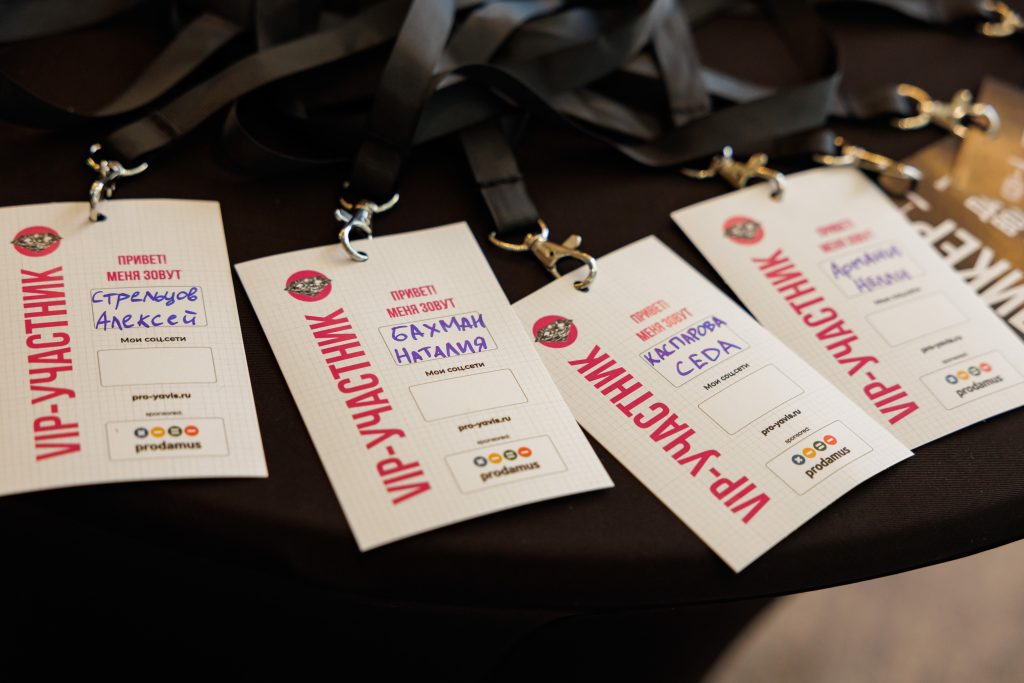
Visual identity still matters. Lighting, materials and finishes that match the brand’s own standards make the difference between a space that looks considered and one that looks rented. The same applies to anything handed out. One well-chosen gift, given in person to the right guest, does more than a thousand branded pens left on a table.
Timing matters as much as design. A hosted lounge that is busy during the coffee break and empty during the sessions is a wasted space for most of the day. Sponsors who schedule short, invitation-only moments inside the lounge, such as a briefing from a senior executive or a small tasting before lunch, give guests a reason to come back.
Measuring What the Sponsorship Returned
The question from finance six weeks later deserves a real answer, and the answer should be decided before the event, not after it. Logo impressions and social media reach are easy to count and tell the board very little. Better measures are the ones the sales team already uses: how many target clients attended, how many meetings were held on site, how many follow-up calls were booked in the week after, and which conversations moved into proposals within the quarter.
Tracking these numbers takes a little discipline. Invitations need to be logged, attendance recorded and every meeting noted by whoever held it. The payoff is a sponsorship decision next year based on evidence rather than habit, and a much easier conversation when the renewal invoice arrives.
Making the Sponsorship Work as Hard as the Budget
Running a hosted experience alongside someone else’s event is specialist work, and it is work we take on in full. Our team plans the sponsor’s guest program, designs and produces the hosted space, coordinates with the organizer’s operations team, manages invitations and arrivals, and runs the private breakfast, lounge or dinner that turns a logo placement into real conversations. Your marketing and sales teams stay focused on the guests while we handle everything around them.
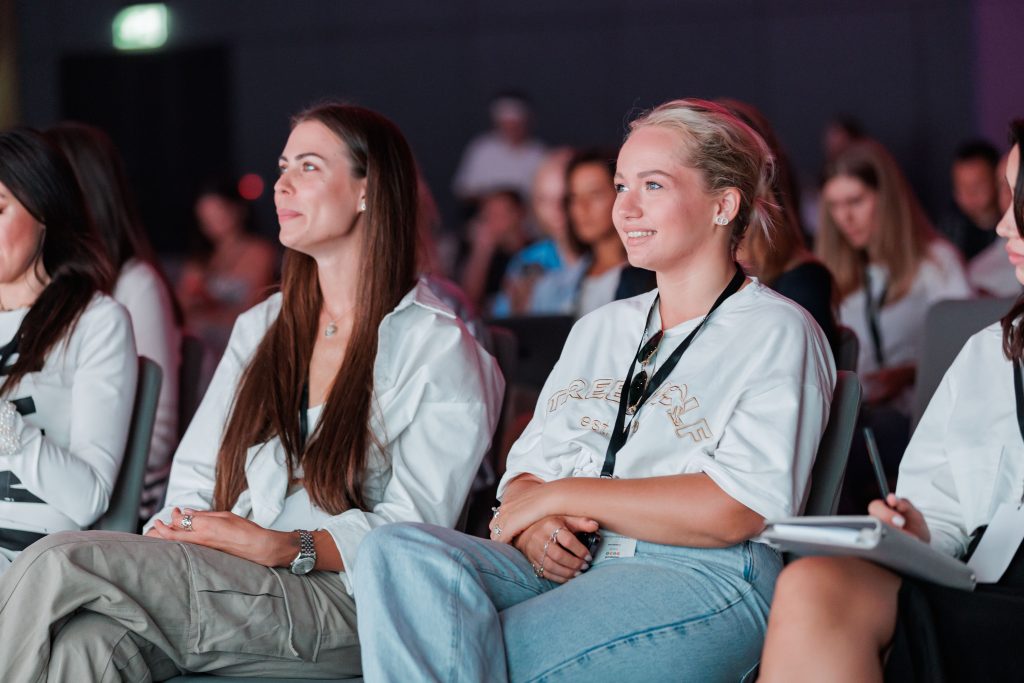
The same approach works for conferences and summits of every size, and for international sponsors bringing clients from abroad. InCircle Events is a bilingual English and Russian-speaking event management company based in Dubai, which helps any sponsor whose client list includes the Russian-speaking business community. Our past corporate work is in our portfolio.
Sponsorship in Dubai rewards the companies that show up as hosts rather than advertisers. If you are weighing a sponsorship this season and want it to pay its way, get in touch.

