
A children’s party in Dubai rarely has a guest list that speaks one language. A five-year-old’s birthday can easily include classmates whose families speak Hindi at home, Arabic, Tagalog, Russian, French, and half a dozen others, and the party itself is usually run entirely in English, with the assumption that kids figure it out through play regardless of what language they speak.
Kids are genuinely good at this. Play doesn’t require a shared vocabulary the way adult conversation does, and children adapt to a mixed-language room faster than most parents expect. The UAE is home to more than 200 nationalities, so a kids party guest list reflecting that mix isn’t unusual, it’s closer to the norm. But there’s a real difference between a party where language barely matters and one where it quietly shapes who has fun and who spends the afternoon on the edge of the group.


InCircle Events is a bilingual English and Russian-speaking event management company based in Dubai, and inclusion across language is something we build into a kids party structure, not something we hope works itself out on the day.
Where language actually shapes the experience
Most of the moments where language creates a real barrier at a kids party aren’t the obvious ones. They’re smaller, and they’re the ones adults are least likely to notice from across the room:
- The entertainer’s instructions. A magician or games host who only speaks English loses the kids who can’t follow verbal instructions, even if the visuals carry most of the moment for everyone else, leaving a handful of children clapping along without really knowing what just happened.
- The parent drop-off conversation. A parent who doesn’t speak much English can feel genuinely uncertain handing their child over for a few hours to people they can’t easily communicate with, which shapes whether they feel comfortable leaving at all, or whether they hover nearby the whole afternoon.
- Group games with verbal rules. Anything that depends on understanding spoken instructions quickly splits a room into kids who are playing and kids who are watching and guessing what to do next, usually a beat behind everyone else.
- The birthday child’s own comfort. If the birthday child speaks a language other than English at home, a party run entirely in English can end up feeling less like their celebration and more like an event happening around them.
None of these are dramatic problems. They’re the kind of small friction that adds up over the course of an afternoon into some kids having a noticeably better time than others, without anyone quite noticing why.
The sibling dynamic makes this sharper still. A family with an older child who’s picked up English at school and a younger one who hasn’t yet often sees the gap play out within a single household, let alone across an entire guest list.
Why kids notice more than adults expect
Children are more attuned to who’s included and who isn’t than adults tend to assume, even when they can’t articulate it. A child who spent half a party unsure what was happening usually doesn’t complain. They just quietly have a worse time, gravitate toward the one other kid who speaks their language, or ask to go home earlier than everyone else. Parents often only find out afterward, in an offhand comment on the drive home.

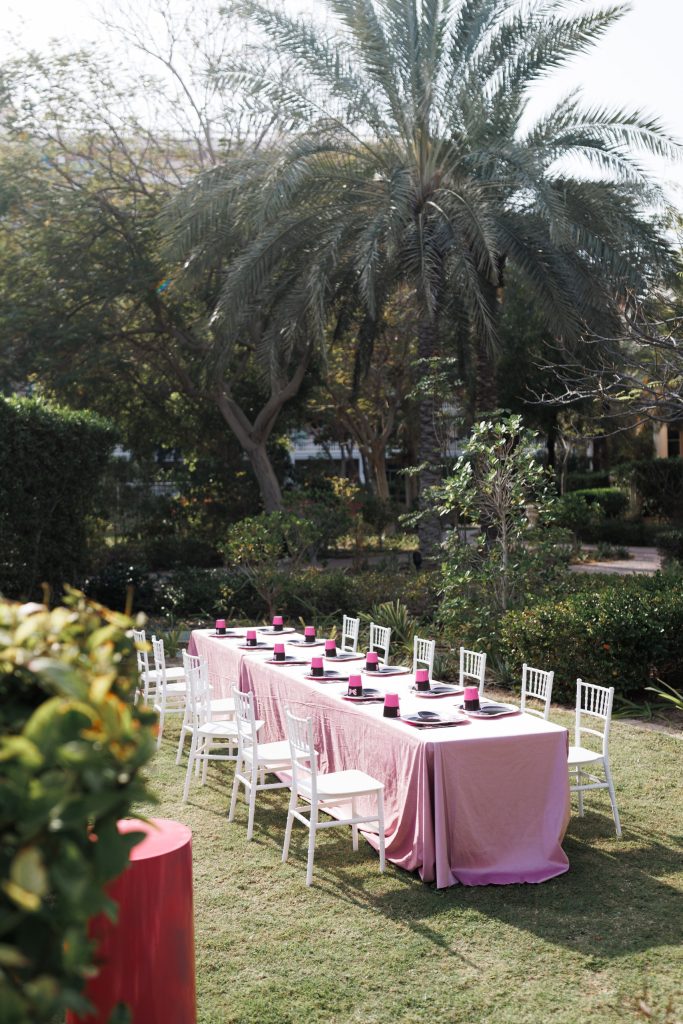


This matters just as much for the parents watching from the side as it does for the kids playing. A parent who can’t follow what the entertainer is saying, or who struggles to make small talk with other parents during the party, has a noticeably different afternoon than one who feels genuinely part of the room.
Building a party that works across languages
A few practical choices make a real difference here. Entertainers and hosts who can work visually, through demonstration and gesture rather than relying purely on spoken instructions, keep every child following along regardless of what language they speak at home. Games chosen for how easily they translate through action rather than explanation tend to include more of the room, more of the time.
Having someone on-site who can genuinely communicate with non-English-speaking parents, not just point and smile, changes how comfortable those parents feel handing their child over and staying to enjoy the afternoon themselves. That’s where our bilingual team matters in practice, not just as a line on a kids birthday party services page. A parent greeted and briefed in Russian, rather than struggling through English on the day, settles into the party differently than one left to piece things together alone.
We build kids parties in Dubai around guest lists that rarely speak one language. If your child’s guest list spans several languages and you want every kid, and every parent, to genuinely enjoy the afternoon, get in touch and we’ll help you plan it that way from the start.

