Nobody asks about confidentiality when they first call an event planner. They ask about availability, about whether a specific date works, about what’s included. The question that actually protects them almost never comes up until something has already gone wrong: a photo posted before a birthday was meant to be a surprise, a guest list shared with a vendor who had no reason to see it, a private celebration that ended up on someone else’s Instagram story before the client had a chance to post it themselves.
Dubai’s private events market has grown around visibility. Portfolios, reels, before-and-after posts, tagged locations. Most of that works in a client’s favour, and it’s why event companies chase it so hard. But it creates a habit that doesn’t serve every client equally well, and the ones it serves worst are usually the ones with the most to lose from a leak: high-profile individuals, families who value their privacy for reasons that have nothing to do with fame, and anyone hosting an event they’d rather their own social circle didn’t hear about until they chose to share it.
Why this matters more in Dubai than most cities
Gulf News reports that Dubai’s millionaire population has climbed sharply over the past decade, making the city one of the fastest-growing wealth hubs in the world. That growth has brought more high-profile residents into a relatively small social world, where the same venues, photographers, and vendors circulate across dozens of private events a month. A guest list, a floor plan, or a set of event photos passed between the wrong two people spreads further and faster here than it would in a larger, less interconnected city.
It isn’t only about wealth. A client going through a divorce who wants a milestone birthday kept quiet from an ex-partner’s circle. A couple who haven’t announced an engagement to extended family yet. A business owner hosting a private celebration they’d rather competitors didn’t know about. None of these clients are famous. All of them have a real reason to expect that the people planning their event will treat details as private by default, not as content.
Dubai’s Russian-speaking community adds another layer to this. Many private clients here maintain business or family ties across borders where privacy carries different weight than it does locally, and a photo that seems harmless in Dubai can matter a great deal once it reaches a different social or business circle elsewhere. A planner working with these clients needs to understand that a guest list isn’t just a Dubai concern.
What actually leaks, and how
Most confidentiality failures aren’t dramatic. Nobody is selling information to a tabloid. The far more common version is quieter: a venue’s own marketing team posts a photo from the event before the client does, because nobody told them not to. A florist tags the location on their business account because it’s good exposure for them. A junior team member mentions the guest list to a friend who happens to know one of the guests. None of these people intend harm. They simply weren’t told the event required discretion, because nobody asked the planner the right questions up front.
This is where the responsibility genuinely sits with the planner, not the client. A client shouldn’t have to think to specify that they don’t want their event posted online. That should be the default assumption on any private event, with visibility something the client opts into, not something they have to opt out of after the fact.
The corporate version of the same problem
Corporate clients face a version of this that’s less about personal privacy and more about commercial risk. A company preparing to announce a leadership change, a product launch, or a restructuring often needs an event to happen quietly beforehand, without a vendor’s social post or a photographer’s portfolio update giving away timing that hasn’t been made public. The stakes are different from a private celebration, but the underlying need is identical: a planning team that treats information as confidential by default, not one that has to be reminded case by case.
We’ve worked with companies where the guest list itself was sensitive information, not because of who was on it, but because the size and composition of the group signalled something about the company’s plans that competitors would have found useful. Handling that kind of brief means thinking about confidentiality at the level of logistics, not just photography: how invitations go out, how RSVPs are tracked, and who on the team actually sees the full list.
What to ask before you hire a planner
- Who signs a non-disclosure agreement: the planning company only, or every vendor involved in the event
- Whether the guest list and event details are shared with vendors on a need-to-know basis, or distributed as one shared document
- What happens to event photography and video: who owns it, who can post it, and whether the client has final approval before anything goes public
- Whether the planning company posts client events to their own portfolio by default, and how to opt out
- How staff are briefed on discretion for a specific event, not just as a general company policy
A planner who has clear, immediate answers to all of these has clearly thought about it before. A planner who has to think about the answer in the moment probably hasn’t built confidentiality into how they actually operate, whatever their website says.
How we handle it
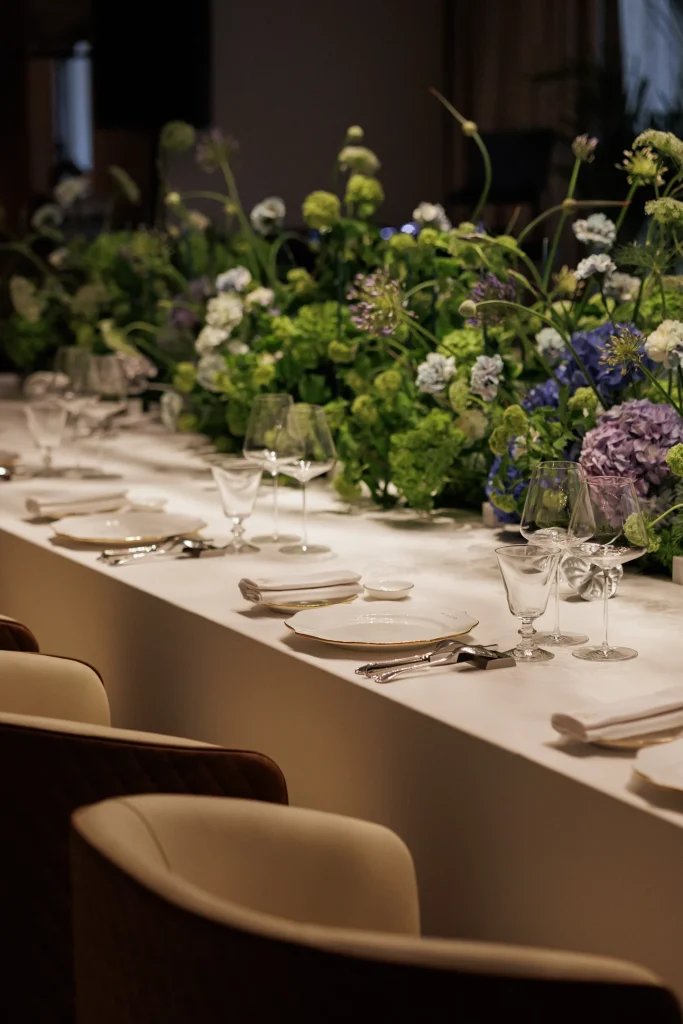

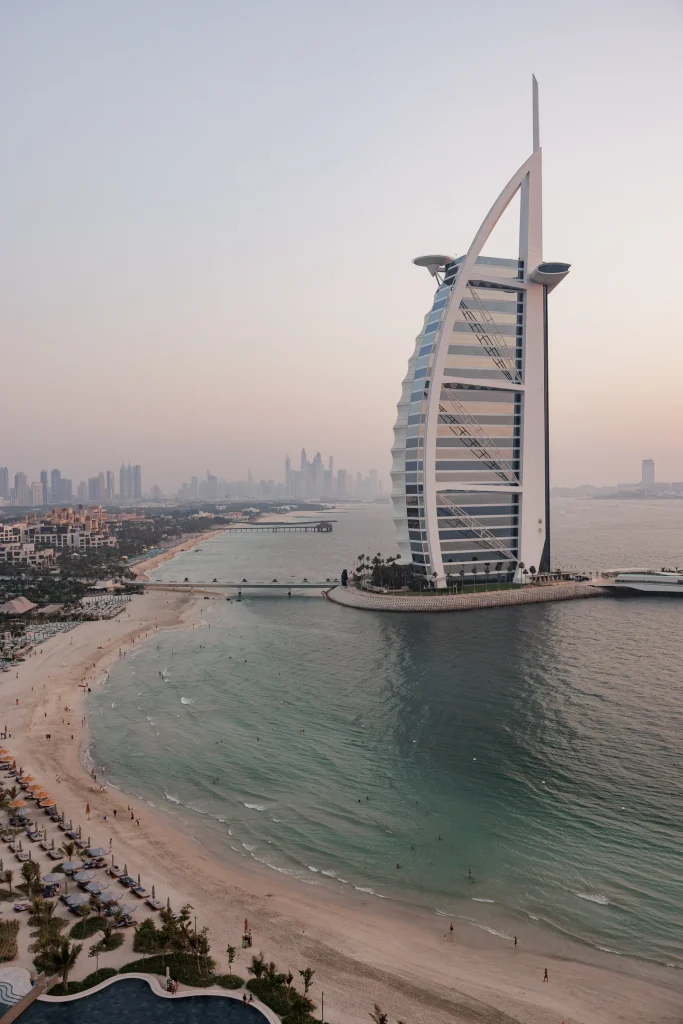
Every event we plan starts from the assumption that details stay inside the room until the client decides otherwise. Vendors are briefed only on what they need to execute their part of the event, not the full plan. Photography and video rights sit with the client, not with us, and nothing from a private event goes into our own portfolio without direct approval. For private events specifically, non-disclosure agreements are standard practice across our vendor network, not an add-on a client has to request.
Even for events that do eventually go into our yacht birthday party portfolio or elsewhere, that decision happens after the fact, with the client’s sign-off, never as an assumption baked in from the planning stage. The default is silence. Visibility is the exception a client grants, not the starting position.
This extends to how we talk about our own work. We’ve planned events, some of them among the most elaborate we’ve delivered, that will never appear on our Instagram or in a case study, because that was the arrangement from the first conversation. We’d rather a client trust us with the next request than have one extra photo to post.
If discretion matters for whatever you’re planning, whether that’s a milestone celebration you’re not ready to announce or a business event you’d rather your competitors didn’t hear about, get in touch and tell us what needs to stay private. That conversation shapes everything else we do from that point on.

