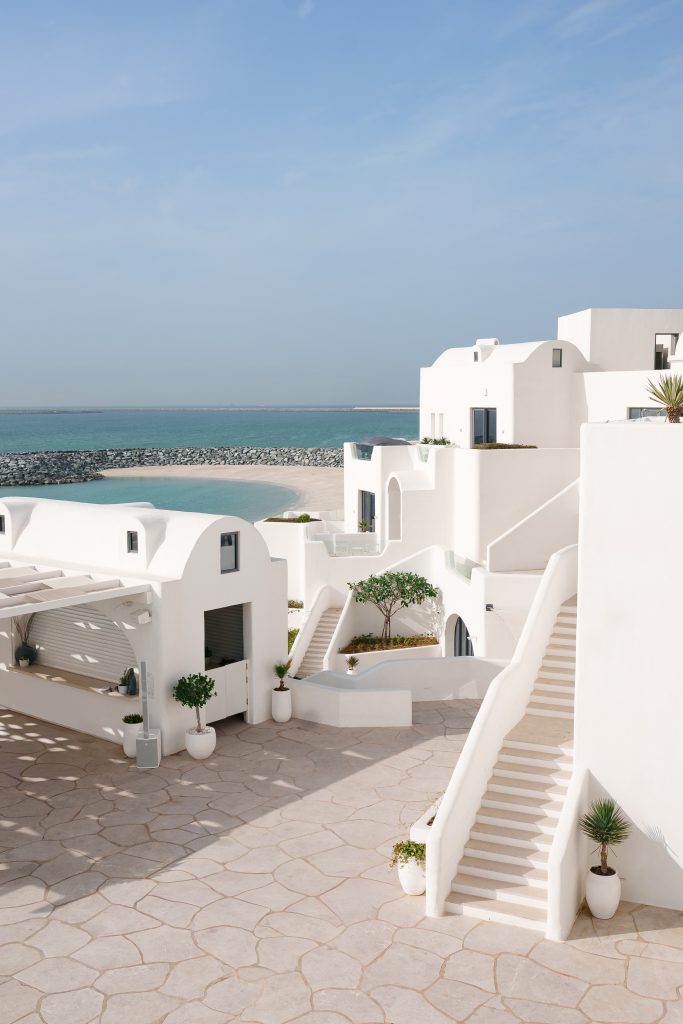
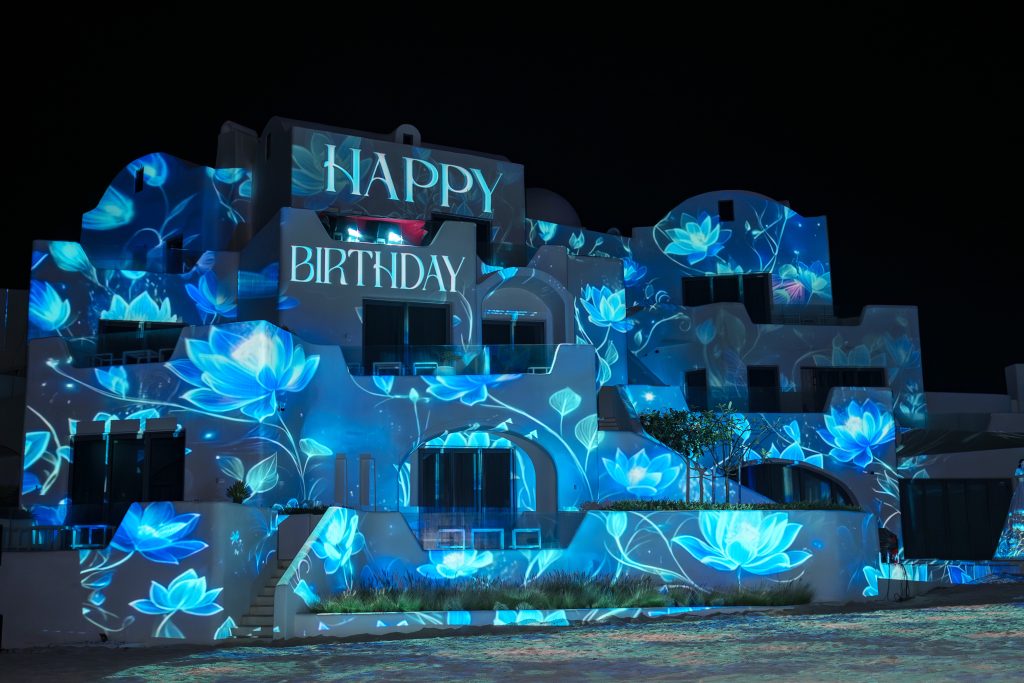
A client once asked us to close down an entire hotel in Abu Dhabi. Not a floor. Not a ballroom. The entire building, reserved for four people, for one night. It was a birthday, and the brief was simple in the way that only the most demanding briefs are simple: make it unforgettable, and make it private.
Most companies would have talked the client down to something more manageable. A private dining room. A rooftop with a curtain drawn across it. We didn’t. We picked up the phone, negotiated with hotel management, worked through the logistics of staffing an entire property for a party of four, and delivered exactly what was asked for. That event is still the one we measure everything else against.
This is what a lot of event planning conversations skip over. Clients in Dubai’s private events market are not asking whether something is possible. They are asking who will actually do it. Most agencies quietly narrow the brief until it fits their comfort zone. Ours has never worked that way, and it’s the reason the clients who come back to us tend to ask for bigger, stranger, more specific things each time.
What “impossible” usually means

When a client says impossible, they rarely mean it literally. They mean one of a few specific things, and each one has a different solution:
- A venue that isn’t set up for private hire, and needs to be persuaded, not just booked
- A guest list of one, four, or ten, where the cost per head makes most planners suggest scaling up
- A theme or detail so specific that no standard vendor package covers it
- A timeline that gives everyone else in the industry a reason to say no
- A level of discretion that rules out the usual social media coverage a hotel or venue expects in exchange for hosting
None of these are actually impossible. They’re inconvenient. Inconvenient is a business problem, not a creative one, and it’s the part of the job most planners are least prepared for.
How the conversation actually starts
Most of these briefs don’t arrive as a full plan. They arrive as a half-formed idea and a worry that it’s too much to ask. A client will describe what they want and then immediately soften it, adding “but I know that’s probably not realistic” before we’ve even responded. Our first job isn’t to price the event. It’s to get the real version of the idea out of them before they talk themselves out of it.
That’s a different skill than event logistics. It means asking the right follow-up questions, not the standard ones. Instead of “how many guests,” we ask who absolutely has to be in the room and who doesn’t. Instead of “what’s the budget,” we ask what would make the client feel the event had actually been worth doing. The logistics come after that conversation, not before it.
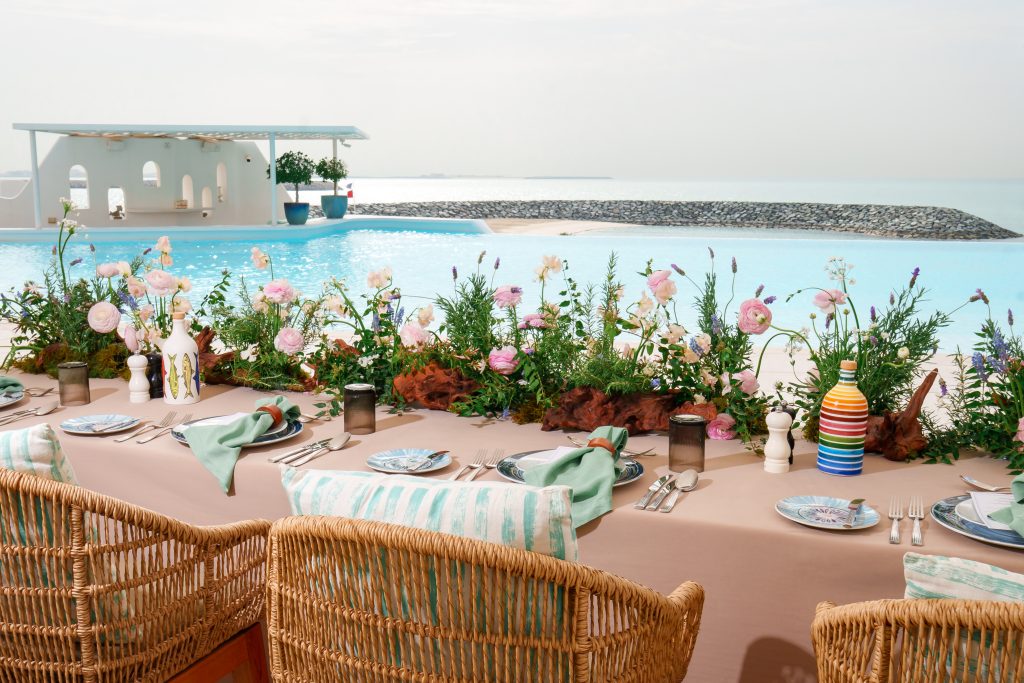
We took a similar brief for a surprise yacht party where the entire point was that the guest of honour could not know a boat was involved until she was standing on the dock. That meant briefing every vendor separately, coordinating arrival times down to the minute, and keeping the entire plan off any shared document the client’s assistant might stumble across. It worked because the plan was built around the constraint, not despite it.
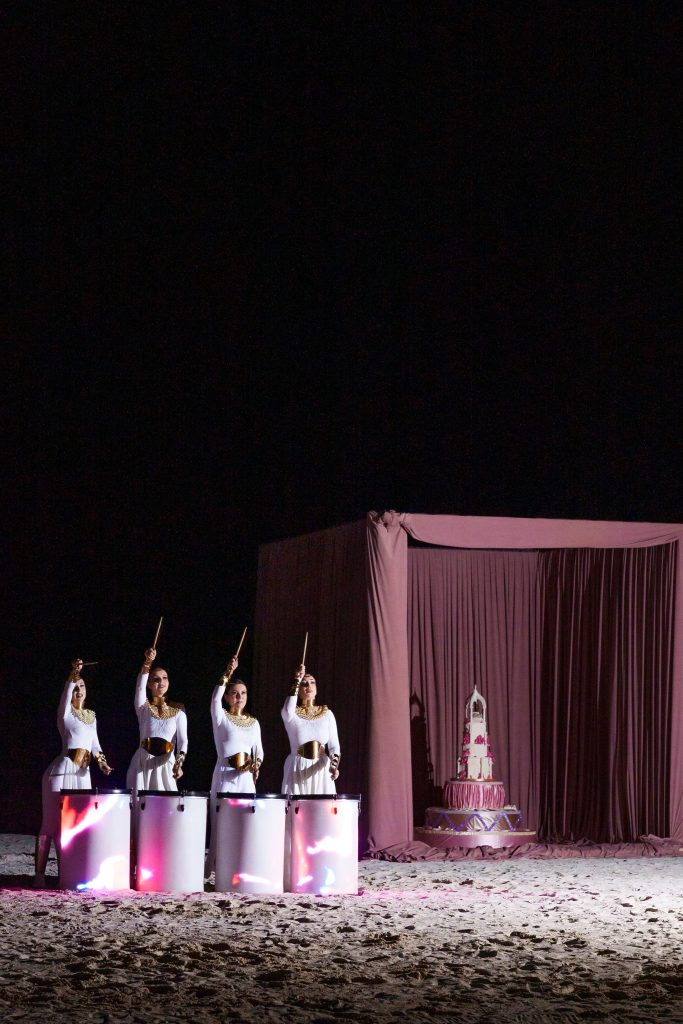
The same logic applies to desert events arranged with almost no lead time, where a client’s schedule changes at the last minute and the alternative is either cancelling or finding a way to make a full production happen in days instead of weeks. We plan for that scenario before it happens, not after the phone rings.
Why most planners say no
The honest answer is capacity and relationships. Saying yes to an unconventional request means having the vendor relationships to make a hotel reconsider its own policy, or the internal team to handle a three-day build instead of a three-week one. Most companies in Dubai’s private events space are built for repeatable formats: the same packages, the same venues, the same suppliers, because it’s efficient and predictable. Efficient and predictable is exactly what a client asking for something impossible is trying to avoid.
Dubai’s events sector is growing fast enough that this gap is only going to widen. Gulf News reports that the city’s tourism and events economy continues to expand into 2026, with more hotels, more venues, and more competition for the standard event format. More venues generally means more sameness, not less, because volume rewards repeatable formats. The clients who want something genuinely their own are going to have fewer places to take that request, not more.
There’s also a practical reason smaller companies say no more often than they should. Negotiating with a five-star hotel to close its doors for one party is not a template conversation. It requires an existing relationship, a track record the venue trusts, and someone willing to spend hours on a negotiation that might not go anywhere. Agencies running on volume can’t justify that time against a single booking. We can, because we take on fewer events and treat each one as worth that investment.
What we actually do differently
It isn’t magic and it isn’t a bigger budget than everyone else has access to. It’s a smaller number of clients, taken more seriously, with a team that treats a strange request as a brief to solve rather than a reason to push back. We ask what the client actually wants before we ask what’s realistic, because those are two different conversations and most agencies collapse them into one too early.
Confidentiality plays into this more than people expect. A client who wants to close a hotel for four people usually also wants nobody outside that room to know it happened. That shapes contracts, vendor briefings, and even how we talk about our own portfolio. We’ve built entire events we will never publish a single photo from, because that was the deal.
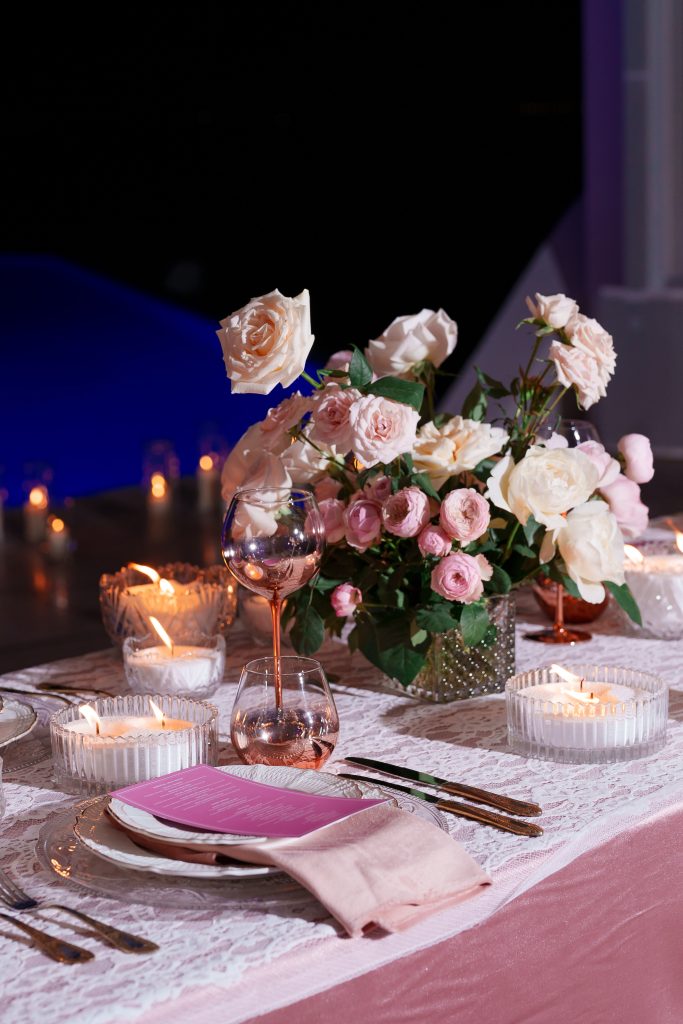
It also changes how we brief vendors. A florist, a chef, or a sound technician working on a discreet event doesn’t get the full picture until they need it. Details are shared on a need-to-know basis, timelines are staggered so no single supplier sees the whole plan, and non-disclosure agreements are standard rather than an afterthought. Clients rarely ask about this directly. They assume it’s happening, and it needs to be, because the moment word gets out before the event does, the entire point of the request is gone.
There’s a version of this that shows up in corporate work too, even though the emotional stakes are different. A company launching a product before a public announcement, or hosting a leadership event ahead of a restructuring, has the same need for a team that won’t leak details to a venue’s social media manager or a vendor’s own marketing. The instinct to protect a client’s information doesn’t change between a birthday and a boardroom. Only the reason for it does.
None of this is really about being able to do anything. It’s about not deciding in advance what a client should be allowed to want. If you have a brief that feels too specific, too unconventional, or too private for a standard events company to take seriously, get in touch and tell us what you actually have in mind. We’ll tell you honestly whether it’s possible, and we’ve said yes more often than you’d think.

