
A property launch is not a party with floor plans on display. It is the first impression an entire project makes on the people who will decide whether to buy into it.
Off-plan properties accounted for roughly 70 percent of total real estate transactions in Dubai during the first quarter of 2026, according to reporting on fäm Properties and Springfield Properties data. That figure matters more than it first appears. Buyers are committing to a project before the building exists, based almost entirely on how convincingly a developer can communicate quality, design intent, and momentum. The launch event is where that conviction either gets built or gets lost, often within the first twenty minutes of a guest walking through the door.
Buzz Without Conversion Is a Wasted Budget
Many launch events succeed at generating attention and fail at generating buyers. A striking installation or a well-attended evening that produces excellent social content but few serious enquiries has solved the wrong problem. For corporate clients in real estate, the metric that matters is qualified interest converted into a genuine sales pipeline, not attendance numbers or engagement on a single Instagram post.
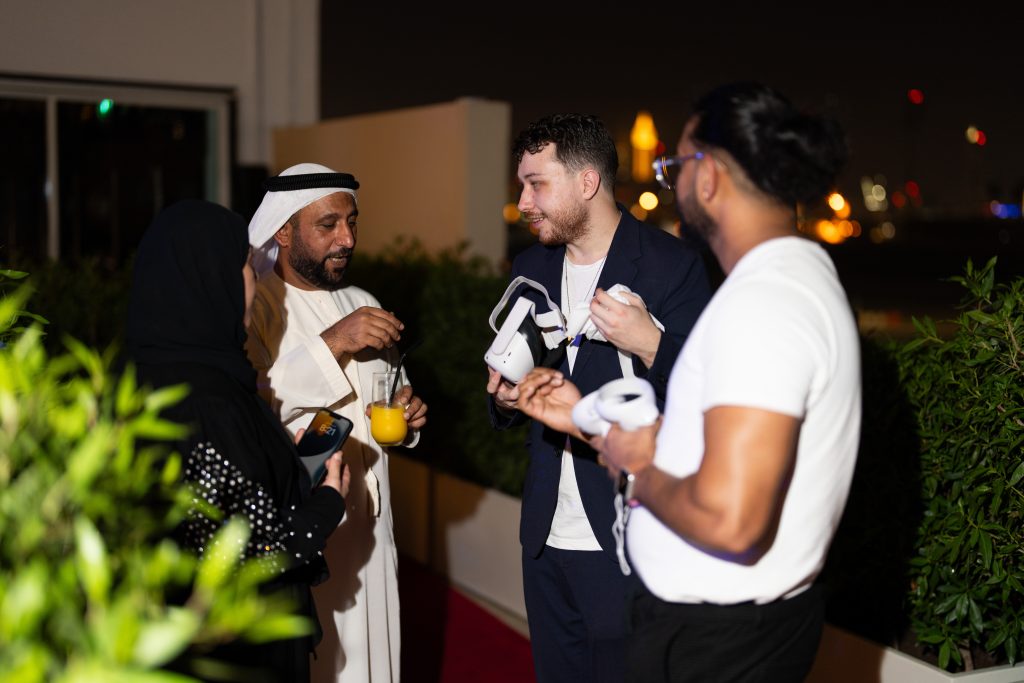
This distinction should shape the guest list before it shapes the decor. A room full of the right investors and end users, even a smaller one, outperforms a larger crowd assembled mainly for visibility. Every decision about format, timing, and experience should trace back to who actually needs to be convinced, not who would make the best photograph.
Know Which Buyer You Are Actually Talking To
Dubai’s off-plan buyer pool is genuinely international, and the reasons people buy vary sharply by where they are buying from. Some are drawn by rental yield and long-term residency incentives. Others are end users planning to live in the property themselves. A single generic launch experience, built to appeal to everyone equally, tends to genuinely persuade no one.
The stronger approach separates the investor conversation from the end-user conversation, even within the same event. Investors want to see the numbers: escrow protections, payment plan structure, projected completion timelines, and comparable performance in similar developments. End users want to feel the lifestyle: the walk from the entrance, the light in a show unit, the neighbourhood the building sits within. Building distinct moments for each within the same evening, rather than one generic pitch, tends to convert far better than a single script delivered to the entire room.
In practice, this often means structuring the evening in two layers rather than one. A broader reception can introduce the project and the lifestyle it represents to the full guest list, while a smaller, more focused session later in the evening, or a private breakout for pre-qualified investors, handles the numbers conversation with the depth serious buyers actually expect. Trying to compress both audiences into a single presentation usually means the investor leaves without the detail they needed, and the end user sits through numbers that were never meant for them.
The Experience Has to Match the Price Point
A launch for a mid-market residential development and a launch for an ultra-luxury waterfront tower should not look or feel the same, and the gap between them is where many launches quietly undersell themselves. An event that feels modest for a premium product signals uncertainty about the product itself. An event that feels excessive for a mid-market development signals a marketing budget the pricing does not justify.
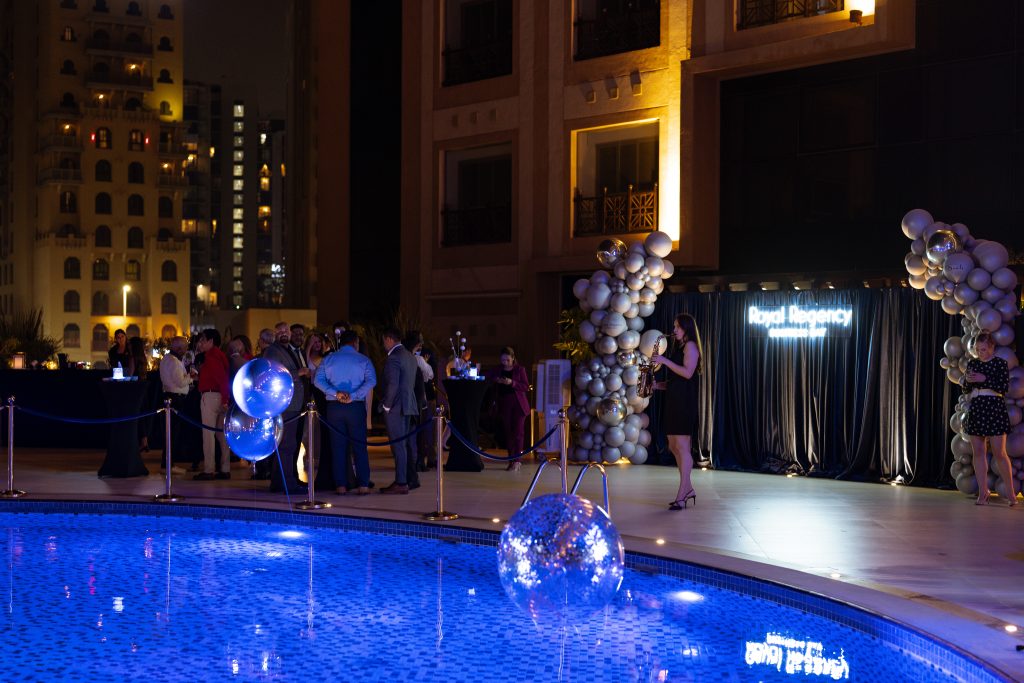
The goal is coherence, not scale. A product launch for a premium development should feel unmistakably premium in every detail a guest touches, from the invitation to the signature moment of the evening. A launch for a more accessible development can spend its budget on clarity and warmth rather than spectacle, and still convert extremely well.
What Actually Moves a Buyer From Interested to Committed
A handful of elements consistently separate a launch that produces signed reservations from one that produces polite applause:
- A show unit or scale model that lets buyers physically experience the space, not just view renderings on a screen
- A clear, simply explained payment plan presented by someone who can answer follow-up questions immediately, not redirect them elsewhere
- A genuine sense of scarcity, built from real data on remaining units or phases, never manufactured urgency that buyers can see through
- A follow-up system already in place before the event starts, so interested guests are contacted within days, not weeks
- A senior figure from the developer present and visible, since buyers committing significant capital want to sense real accountability behind the project
None of these require the largest budget in the market. They require the event built around the decision a buyer actually needs to make, not around what looks most impressive in a highlight reel.
Timing the Launch Against the Market, Not Just the Calendar
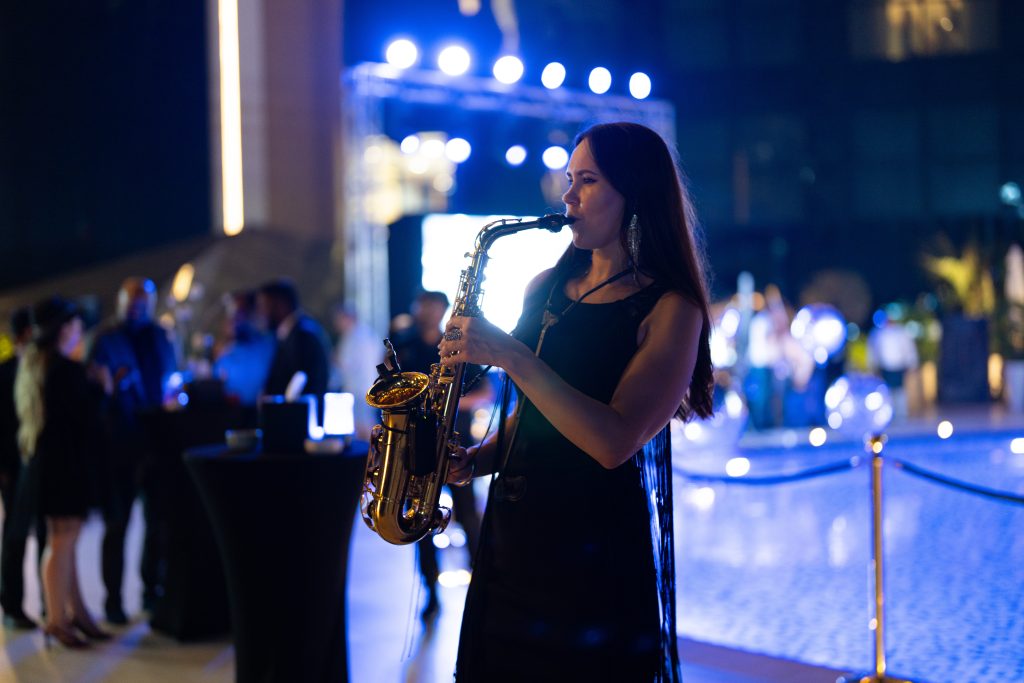
Dubai’s off-plan market moves in cycles tied to broader sentiment, infrastructure announcements, and the pace of new project launches across the city. A launch event timed to land just after a relevant piece of positive market news, an infrastructure expansion, a residency policy update, a strong quarterly transaction report, benefits from momentum the developer did not have to create.
This requires watching the market rather than simply working backwards from a construction milestone. A launch pushed forward by a few weeks to align with a moment of genuine market confidence can outperform a launch that happens to land during a quieter news cycle, even with an identical guest list and an identical budget.
The Room Is Smaller Than the Audience You Actually Need
A launch event, however well attended, only reaches the people physically in the room on the night. For a project depending on international buyers, many of whom may never set foot in Dubai before committing to a purchase, the event itself should be designed to generate content that performs just as well after the evening ends as it did during it.
This means planning specific, shareable moments deliberately rather than hoping something photogenic happens organically. A signature visual, a short walkthrough video of the show unit, a scale model shot that reads clearly even on a small phone screen, gives the marketing team material to reach buyers in London, Mumbai or Shanghai who were never going to attend in person but who ultimately decide based on what the launch produced.
Why Real Estate Launches Are Judged Differently Than Other Corporate Events
A corporate gala or conference is judged largely on how the evening felt. A property launch is judged on what happens in the weeks after it, when interested guests either convert into buyers or quietly go cold. This changes what should be prioritised in the planning itself.
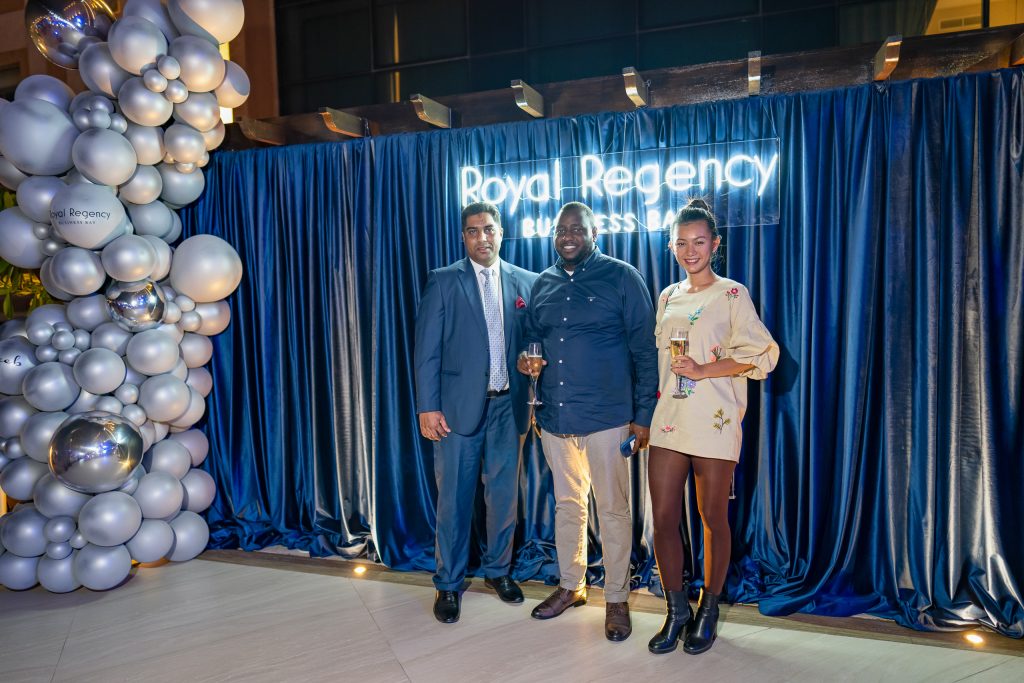
The follow-up process, the clarity of the payment structure, and the credibility of what buyers were shown all matter more than how memorable the evening felt in isolation. This is the thinking behind every launch we build for corporate clients, treating the event as the first stage of a sales process rather than the final deliverable.
If you are planning a property launch in Dubai and want an event built to convert interest into signed reservations, get in touch. The buzz matters, but only if it leads somewhere.

