
Most corporate gala themes are chosen by looking at what looked good somewhere else. In Dubai, that approach gets a company halfway there and stops.
A theme built for a London ballroom or a Singapore hotel does not automatically translate to a room where the guest list spans professionals from more than 200 nationalities, where alcohol service needs careful handling for some guests, and where the wrong entertainment choice can leave a meaningful part of the audience quietly disengaged. For corporate clients in Dubai, the theme is not just decor. It is the framework every other decision in the room gets built around, from the menu to the seating plan to the tone of every speech given that night.
Getting the theme right the first time also saves the kind of last-minute scrambling that comes from realising, days before the event, that a decor choice or performance does not sit well with a meaningful part of the guest list. The considerations below are best worked through at the very start, not layered on after a venue and date are already locked.
Black Tie Still Works, If the Details Are Right
Classic black tie remains the safest starting point for a reason. Crystal centrepieces, formal seating and ambient lighting read as serious and considered across every culture in the room, without leaning on a single cultural reference point that only part of the audience will recognise.

Where this theme goes wrong is in the details layered on top of it. A menu that assumes everyone drinks, a playlist built entirely around one region’s music, or a dress code communicated too late for guests unfamiliar with the format. Black tie is a strong foundation precisely because it is neutral. What sits on top of that foundation is where the real thinking needs to happen.
Modern Luxury Reads Well to a Global Audience
A sleek, contemporary aesthetic built around black and gold, LED accents and clean stage design photographs beautifully and travels well across audiences, since it does not depend on any single cultural narrative to land. This works particularly well for award nights and milestone celebrations, where the brand itself should be the story rather than a themed backdrop competing for attention.
The advantage of this direction is flexibility. It can incorporate subtle regional touches, an Arabic calligraphy motif in the signage, a local floral arrangement, without the entire evening depending on getting a cultural reference exactly right. For companies still building their understanding of what resonates with a genuinely mixed guest list, modern luxury is the theme least likely to misstep.
Cultural Fusion, Done With Care
Blending Emirati design elements, gold accents, lanterns, geometric patterns, with a broader international aesthetic can produce a genuinely memorable evening. It also carries the highest risk of any theme on this list if it is executed without real cultural understanding.
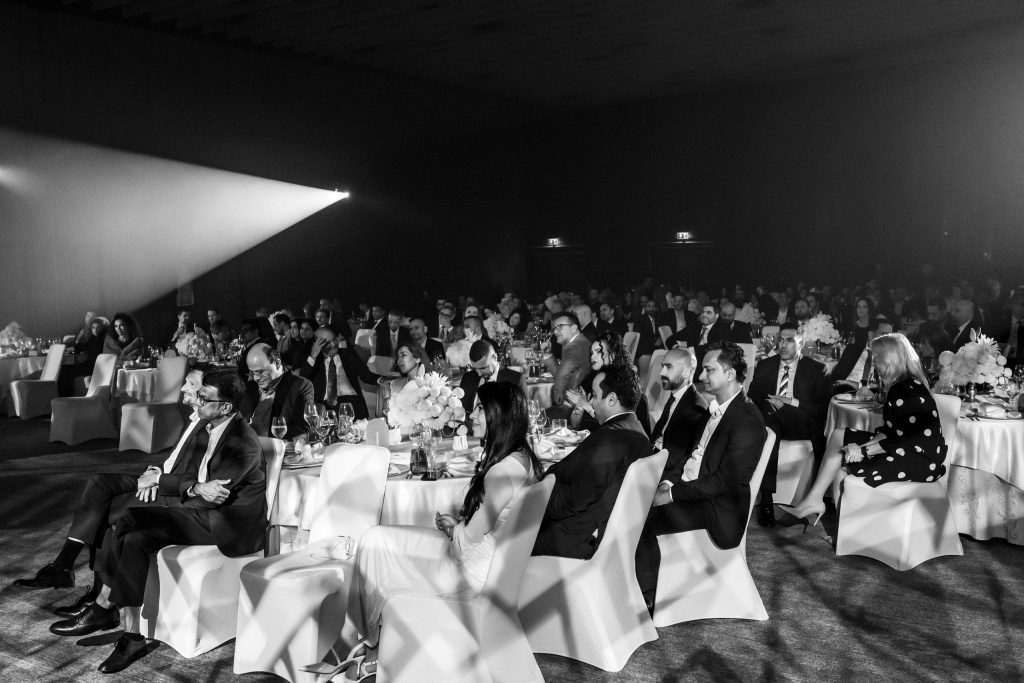
The difference between a fusion theme that lands and one that feels performative comes down to specificity. Generic “Arabian Nights” styling, borrowed from decades of tourism marketing rather than anything Emirati companies would recognise as their own culture, reads as a misstep to exactly the guests a company most wants to impress. A theme built with genuine cultural consultation, rather than a decor catalogue, is the difference between honouring the region and caricaturing it.
Quiet Luxury Is Becoming the Default for a Reason
The loudest trend in Dubai corporate catering and design right now is the quietest one. Rather than maximalist decor and elaborate production, quiet luxury favours understated elegance, exceptional materials, considered lighting, and food presented with genuine craft rather than spectacle for its own sake.
This direction suits Dubai’s corporate audience particularly well. Senior decision makers who attend several galas a season are rarely impressed by scale alone. They notice the quality of a single course, the comfort of the seating, and whether the evening felt effortless rather than engineered. Quiet luxury rewards the details a louder theme would bury.
What Actually Determines Whether a Theme Works Here
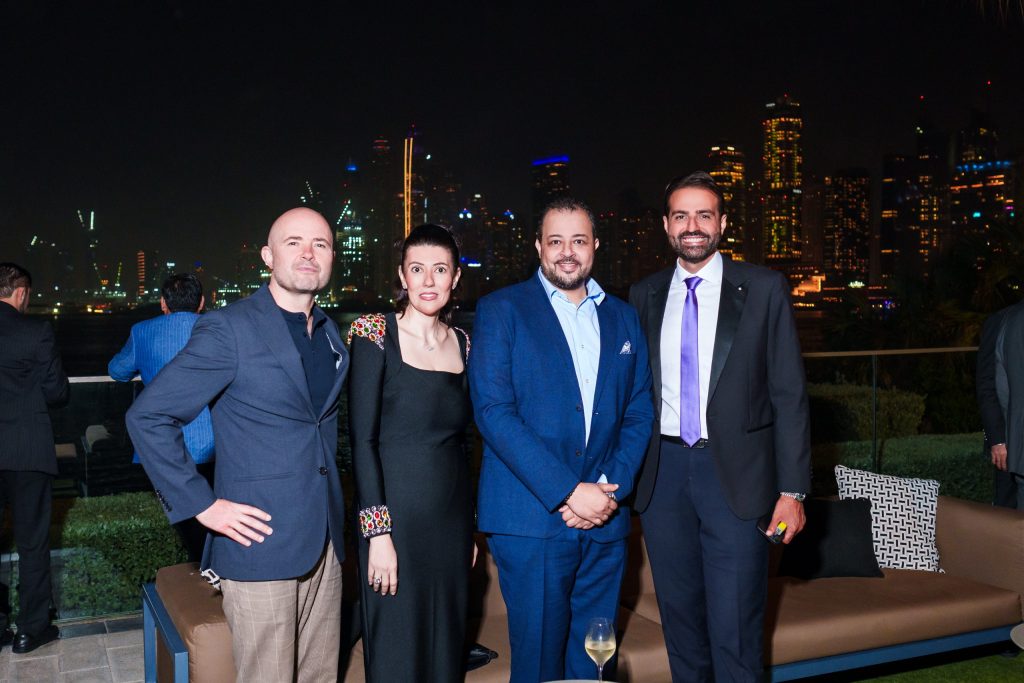
A handful of considerations decide whether any theme succeeds with a genuinely mixed Dubai audience:
- Alcohol-free options presented as thoughtfully as anything else on the menu, not as an afterthought
- Entertainment chosen for broad cultural resonance rather than the organiser’s personal taste
- A dress code communicated clearly and early, since expectations vary sharply by background
- Design elements that reference the region with genuine understanding, not decorative shorthand
- A pace to the evening that allows conversation, since relationship building matters as much here as the event itself
None of these require abandoning ambition. They require choosing a theme that has been considered from every seat in the room, not just the one closest to the stage.
Entertainment Is Where Themes Are Won or Lost
The theme sets the visual language of the room. Entertainment is what guests actually remember on the drive home. A live band with a genuinely varied set list, a visual performance that does not depend on shared language or cultural references, or interactive formats that invite participation rather than passive viewing tend to land far better with a mixed audience than a single act built around one region’s style.
This matters more at a Dubai gala than it might elsewhere, precisely because the room rarely shares a single cultural background. This holds just as true for a formal business networking event as it does for a gala. An act that assumes everyone grew up with the same references risks entertaining a third of the room while leaving the rest politely waiting for the next course. Choosing entertainment that travels well across cultures is not a compromise. It is what makes an evening feel considered rather than assembled.
Timing Shapes the Theme More Than Most Companies Expect
Dubai’s corporate gala season runs heaviest through the final quarter of the year, when most companies schedule their annual celebrations, award nights and client appreciation evenings. This timing has a direct effect on theme selection. A winter-appropriate aesthetic, softer lighting, warmer tones, works with the season in a way a bright, high-energy summer theme does not.
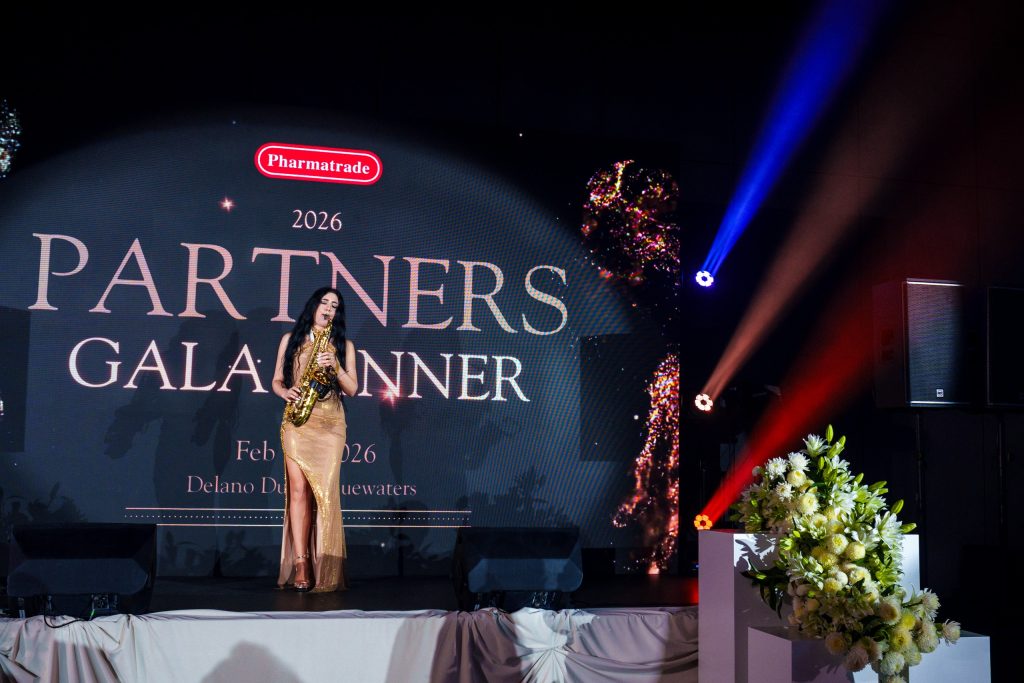
Booking early in this window also protects theme execution. The venues and production teams capable of delivering a genuinely well-realised theme, rather than a generic package, tend to be committed months ahead during peak season. A company that waits until a few weeks before its preferred date often finds its theme options narrowed considerably, regardless of budget.
Why the Theme Choice Is a Branding Decision, Not a Decor One
A gala theme is often treated as a creative afterthought, decided once the venue and guest list are locked. For a company whose reputation is genuinely on the line in front of clients, investors and senior leadership, that ordering is backwards.
The theme signals what the company values before a single speech is given. A generic, safe choice signals caution. An overreaching, poorly researched cultural theme signals carelessness. A theme built with real thought, whether that is quiet luxury, modern elegance or a genuinely well-executed cultural fusion, signals the same precision the company wants clients to associate with its brand.
The theme is chosen to match the audience actually in the room, not a decor trend borrowed from somewhere else.
If you are planning a corporate gala dinner in Dubai and want a theme that actually works for the room you are building it for, get in touch. The right theme is rarely the loudest one in the catalogue.

