A product launch in Dubai can do two things: create a moment people talk about, or disappear into the event calendar without a trace. The difference is rarely the product. It’s the execution.
Dubai is one of the most active launch markets in the world. The UAE’s corporate events and MICE sector is valued at over USD 6 billion in 2025, and the government has committed USD 2.7 billion to event infrastructure investment, a signal of where this market is heading. Real estate developers, tech companies, luxury brands, and crypto firms all use this city as a stage. That means the audience investors, media, industry contacts, partners has seen a lot. A standard setup with branded signage, a short speech, and a buffet is not going to move the needle.
What does move the needle is a launch built around a single clear objective, executed without compromise.
Start With the Outcome, Not the Venue
Most product launches go wrong before the venue is ever booked. The brief starts with logistics: how many guests, what date, what budget. Before anyone has answered the more important question: what does this event need to achieve?
A launch for a new residential development in Business Bay has a different objective than a launch for a B2B SaaS product targeting regional enterprise clients. One needs to create desire. The other needs to establish credibility. Those are different events with different formats, different guest profiles, and different definitions of success.
Define the outcome first. Every other decision follows: venue, format, guest list, content, and staging.
The Guest List Is the Event
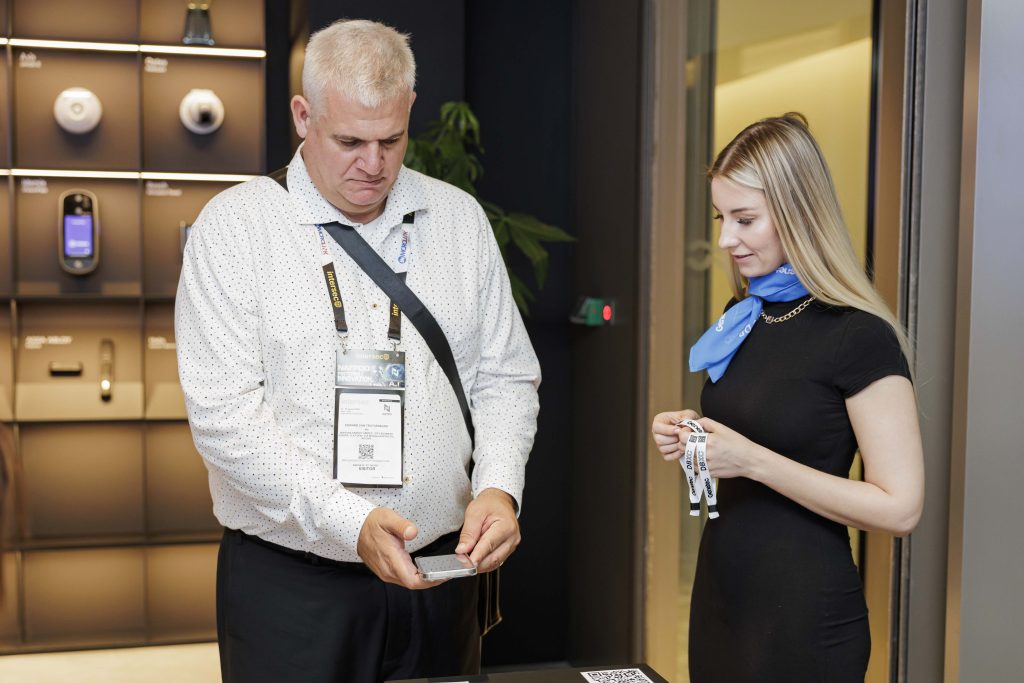
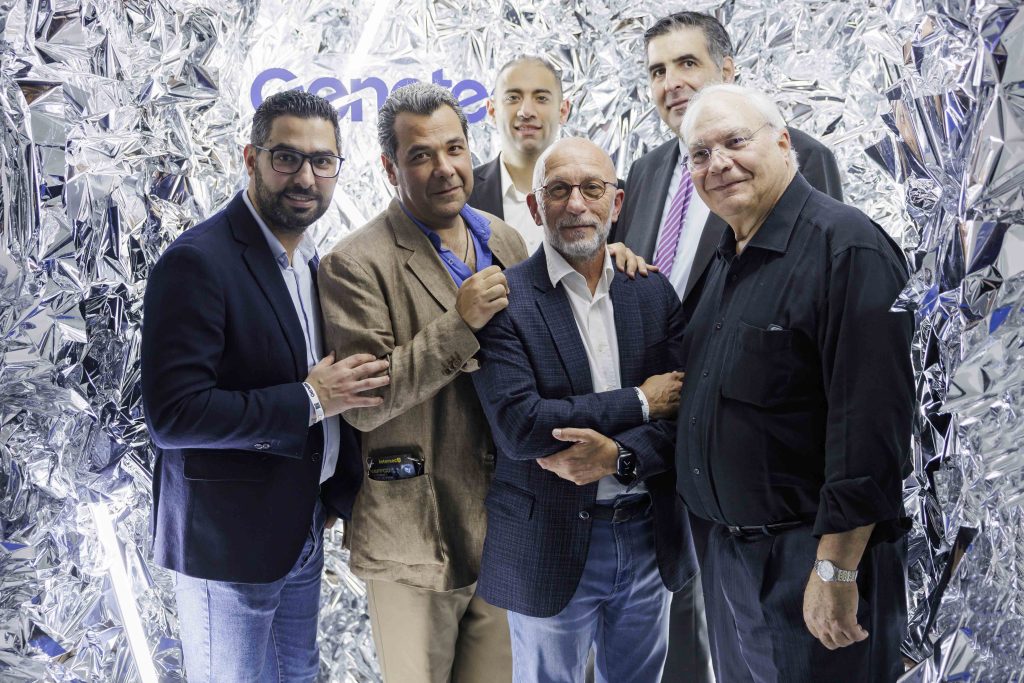
In Dubai’s corporate world, who is in the room matters more than almost anything else. A launch attended by the right fifty people is worth more than a launch attended by five hundred of the wrong ones.
This is especially true for property launches, crypto and fintech products, and anything targeting high-net-worth investors or C-suite decision makers. In these segments, the quality of attendees is the signal. It tells every person in the room whether this is worth their attention.
Curate with intention. Invite people who belong in that room, and make sure they know why they were specifically chosen. The invitation itself how it is designed, how it is delivered, what it communicates about the event is the first impression. Treat it accordingly.
Guest experience does not start at the door. It starts the moment someone receives the invite. Companies that understand this build anticipation before the event even begins, through considered pre-event communication that makes attendees feel they are arriving at something genuinely worth their evening.
Format Follows Function
A product launch is not a gala dinner and it is not a conference. The format should be built around the product and the story you are telling about it.
Some launches work best as immersive experiences, where guests move through a space that reveals the product progressively, with each environment designed to communicate a different dimension of the brand. Others work as intimate reveal dinners for a small, high-value audience in a private DIFC setting. Others need scale: a keynote presentation, live demo, media coverage, social amplification.
There is no template. The format that worked for another company’s launch may be exactly wrong for yours. An experienced event partner will push back on the brief until the format genuinely serves the objective. If no one is pushing back, that is a problem.
What the Production Actually Involves
A product launch that lands well is the result of dozens of decisions made correctly, in sequence, over weeks. Here is what a properly managed launch in Dubai typically covers:
- Event concept and narrative: defining the story the event tells, and how every element supports it
- Venue selection and negotiation: identifying the right space for the format, not the most obvious one
- Guest list strategy: who to invite, how to segment VIPs, and how to manage RSVPs and attendance
- Invitation design and delivery: physical or digital, the invite sets the tone before anything else
- Stage and set design: the visual environment that frames the product reveal
- AV, lighting, and sound: production quality that matches the ambition of the launch
- Catering and hospitality: food and beverage that reflect the brand level, not a generic package
- Media and content strategy: building in the right moments for photography, coverage, and social amplification
- On-the-day management: a single point of contact running the event so the client is free to be the host
- Post-event follow-up: structured outreach to attendees that extends the commercial value of the evening
Each of these is a decision point where quality matters. A weakness in any one of them affects the whole.
Production Quality Is Non-Negotiable
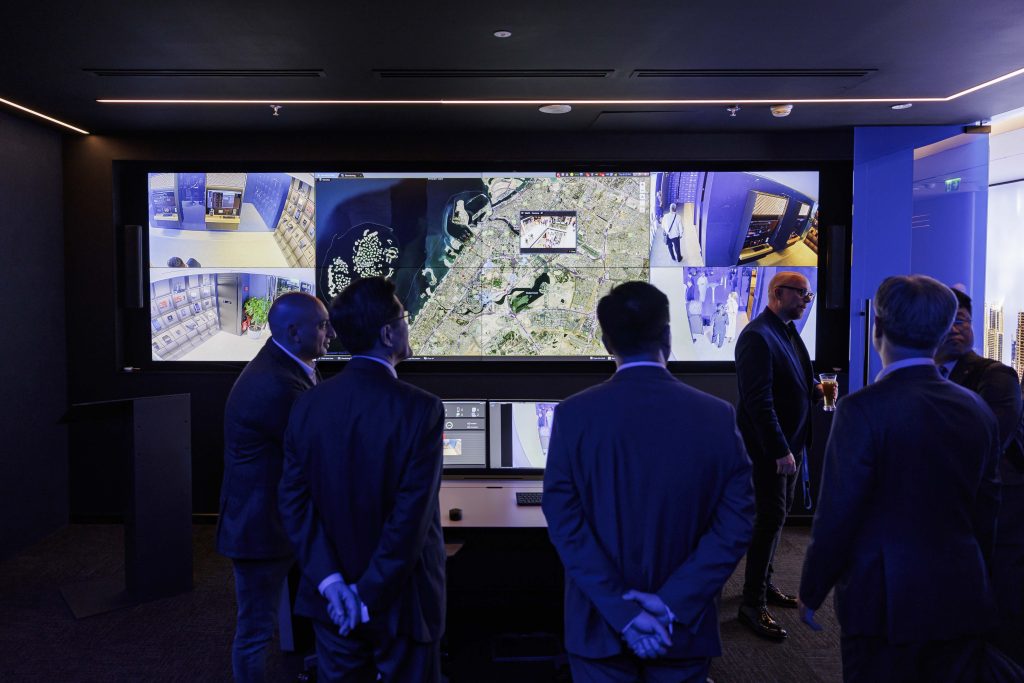
In a city where every competitor is also investing in high-production events, the baseline expectation is high. Lighting, sound, set design, and AV are not areas to economise on. A technical failure during a product reveal, a poorly lit display, or a sound system that clips during the keynote are not recoverable moments. They become the story.
The same applies to branded materials, catering, and flow. Guests at a Dubai product launch will notice when something is off. More importantly, they will remember it. The standard is set by the best events they have attended, not the average ones. That is the benchmark to plan against.
Think Beyond the Room
A well-executed launch extends beyond the evening itself. Media coverage, social content, post-event follow-up with attendees, and digital amplification all extend the reach of what happened in the room.
This is worth planning before the event, not after. If media attendance is part of the strategy, their experience needs to be designed for it: dedicated briefing areas, controlled reveal moments, content that photographs well. If social amplification is important, the visual moments need to be built into the production from the start. If investor follow-up is the objective, the event should create natural openings for those conversations to begin.
The room is the beginning. The 48 hours after are where much of the commercial value is either captured or lost.
Timing and Lead Time
Dubai’s corporate event calendar is dense. The best venues in DIFC, Downtown, and Business Bay are booked weeks in advance, and availability tightens considerably around major business events, school holidays, and peak season from October through March.
For a launch that requires significant production custom set design, imported materials, international speakers, or a large invited audience a minimum of eight to twelve weeks of planning time is realistic. Less than that and compromises follow. The earlier the brief is placed, the more options remain open and the better the result.
What to Look For in an Event Partner
A product launch is not the moment to work with a company you have not tested. The stakes are too high: reputational, commercial, and relational.
Look for a partner with a direct track record in corporate launch events in Dubai. Ask to see specific examples, not a general portfolio. Ask who will be managing your event on the day, not just who pitched for the business. Ask how they handle problems when they arise, because they will arise, and the response is what separates a managed situation from a crisis.
At InCircle Events, we have managed property launches across Dubai for clients who needed more than logistics. They needed a partner who understood what the launch had to communicate and how to make it land. That is a different brief, and it requires a different kind of company.
If you are planning a product launch in Dubai and want it executed properly, get in touch. The earlier we are involved, the better the result.

